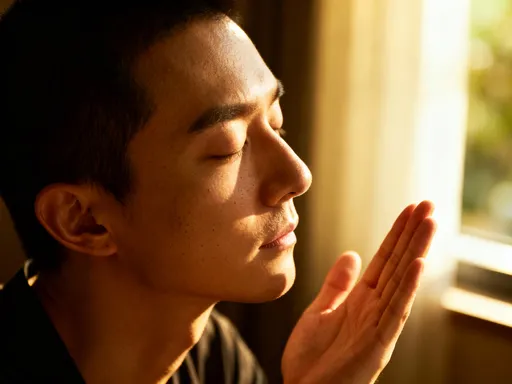
How Traditional Chinese Medicine Quietly Transformed My Recovery Journey
For months, I struggled with lingering fatigue and slow recovery after illness—until I turned to traditional Chinese medicine (TCM) for answers. This isn’t about quick fixes, but real, science-backed adjustments that support the body’s natural healing rhythm. I explored acupuncture, herbal balance, and mindful routines not as ancient mysticism, but through a modern, scientific lens. What I found wasn’t magic—just profoundly effective physiology working as it should. The shift wasn’t dramatic overnight, but steady, measurable, and deeply personal. As someone who values both evidence and experience, I began to see how TCM fills a quiet but critical gap in how we understand recovery.
The Hidden Gap in Modern Recovery
Modern medicine excels at acute intervention—treating infections, managing injuries, and stabilizing chronic conditions. Yet, when it comes to full restoration after illness, many people find themselves in a gray zone: no longer sick, but not truly well. Symptoms like persistent tiredness, disrupted sleep, and low resilience are often dismissed as “just part of getting older” or “stress-related.” But research increasingly shows these are signs of subclinical dysfunction—a state where the body has not fully reset its internal balance.
After an infection or prolonged illness, the immune system may remain in a state of low-grade activation. Inflammatory markers such as C-reactive protein (CRP) and interleukin-6 (IL-6) can stay elevated even after the primary illness has resolved. A 2021 review published in Frontiers in Immunology highlighted how post-infectious fatigue is frequently linked to persistent inflammation and autonomic nervous system dysregulation. This means the body is still “on alert,” diverting energy from repair and renewal to surveillance and defense.
Additionally, mitochondrial function—the energy production system within cells—can be impaired after illness. A study in Cell Metabolism demonstrated that viral infections can disrupt mitochondrial efficiency, leading to prolonged fatigue and muscle weakness. Meanwhile, the hypothalamic-pituitary-adrenal (HPA) axis, which regulates stress response and energy balance, may remain dysregulated, contributing to poor sleep and mood fluctuations.
Conventional medicine often lacks tools to address these subtle but impactful imbalances. Medications may alleviate symptoms, but they rarely restore the body’s foundational rhythm. This is where traditional systems like TCM offer a complementary perspective—not by replacing modern care, but by extending its reach into the terrain of recovery that lies beyond symptom relief.
What Is TCM Adjustment—And How Is It Scientific?
Traditional Chinese Medicine is often misunderstood as a collection of mystical beliefs or outdated practices. In reality, TCM is a comprehensive system of physiological observation and regulation that has evolved over thousands of years. When viewed through a modern scientific lens, its core concepts align closely with current understandings of homeostasis, neuroendocrine function, and immune regulation.
The concept of Qi, often translated as “life force,” can be understood in physiological terms as the sum of metabolic activity, cellular energy transfer, and nervous system signaling. When Qi is “blocked” or “deficient,” it reflects real imbalances such as poor circulation, mitochondrial inefficiency, or autonomic nervous system dysfunction. Similarly, the balance of Yin and Yang mirrors the body’s need for equilibrium between activity and rest, inflammation and repair, excitation and inhibition.
Scientific research has begun to validate many TCM mechanisms. Acupuncture, for example, has been shown to modulate the vagus nerve, a key component of the parasympathetic nervous system responsible for “rest and digest” functions. A 2020 meta-analysis in Evidence-Based Complementary and Alternative Medicine found that acupuncture significantly reduces heart rate variability (HRV) markers of stress and increases vagal tone, promoting relaxation and recovery.
Herbal medicine in TCM is not random plant use, but a sophisticated system of synergistic formulations. Studies have demonstrated that certain herbal blends can influence cytokine profiles, reduce oxidative stress, and support liver detoxification pathways. For instance, the formula Xiao Yao San, traditionally used for “liver Qi stagnation,” has been shown in clinical trials to reduce cortisol levels and improve mood in individuals with mild to moderate stress-related fatigue.
Far from being unscientific, TCM offers a framework for understanding the body as an integrated system. Its value lies not in rejecting modern medicine, but in complementing it with tools designed to restore balance at a functional level.
Why the Body Needs Rebalancing After Illness
Recovery is not simply the absence of disease. It is the restoration of optimal function across multiple systems—immune, neurological, digestive, and metabolic. After an illness, especially one involving prolonged immune activation, the body often remains in a state of functional depletion. This can manifest as post-viral fatigue, digestive irregularities, or hormonal fluctuations that linger long after the initial trigger has passed.
The liver, for example, plays a central role in detoxification, hormone metabolism, and energy storage. In TCM, it is associated with the smooth flow of Qi and blood. When liver function is compromised—whether by infection, medication, or stress—it can lead to symptoms like bloating, irritability, and fatigue. Modern science confirms that liver enzyme activity can remain altered post-illness, affecting the body’s ability to process toxins and regulate energy.
Likewise, the digestive system, often linked to the “spleen” in TCM, is crucial for nutrient absorption and immune regulation. Gut microbiota composition can be disrupted by antibiotics or illness, leading to dysbiosis and increased intestinal permeability. Research in Gut Microbes has shown that post-illness digestive complaints are frequently tied to microbial imbalance, which in turn affects systemic inflammation and energy levels.
Hormonal signaling, particularly through the HPA axis, is another area where imbalance persists. Chronic stress or illness can lead to cortisol dysregulation, impairing sleep, immune function, and cognitive clarity. TCM approaches aim to support these systems not by targeting single molecules, but by promoting overall resilience through regulated routines, herbal support, and energy-balancing techniques.
Rebalancing is not about “boosting” the body, but about removing obstacles to healing and supporting its innate ability to return to equilibrium. This is where TCM’s holistic model becomes particularly valuable.
The Four Pillars of TCM Rehabilitation
TCM rehabilitation is built on four interconnected pillars: acupuncture, herbal modulation, dietary therapy, and movement practices such as qigong. Each plays a distinct but synergistic role in restoring physiological balance. Unlike isolated interventions, these methods work together to influence multiple systems simultaneously, creating a cumulative effect over time.
Acupuncture is perhaps the most studied component. It involves the precise insertion of fine needles at specific points along meridians—pathways that correspond to neurovascular bundles and fascial planes. Clinical trials have demonstrated that acupuncture can reduce levels of pro-inflammatory cytokines such as TNF-alpha and IL-6. A 2018 randomized controlled trial published in Pain Medicine found that patients receiving acupuncture after surgery experienced significantly lower pain scores and faster recovery times compared to controls. The mechanism appears to involve both local tissue effects and central nervous system modulation, particularly through the release of endogenous opioids and regulation of the autonomic nervous system.
Herbal modulation uses carefully formulated blends to support organ function and immune regulation. Unlike single-ingredient supplements, TCM herbal formulas are designed for synergy. For example, Huang Qi (Astragalus) is commonly used to support immune resilience. Studies have shown it enhances macrophage activity and increases interferon production, helping the body maintain defense without overactivation. Another formula, Liu Jun Zi Tang, used for digestive weakness, has been shown in clinical settings to improve gastric motility and reduce bloating by enhancing vagal tone and gut microbiota balance.
Dietary therapy in TCM goes beyond nutrition labels. It considers the “energetics” of food—whether a food is warming, cooling, drying, or moistening—and how it affects digestion and energy flow. For instance, cooked grains and root vegetables are considered grounding and easy to digest, making them ideal during recovery. Cold or raw foods, while nutritious, may impair “spleen Qi” in TCM terms, leading to sluggish digestion. From a physiological standpoint, this aligns with the idea that gentle, warm foods are easier on the gut lining and require less energy to process, preserving resources for healing.
Movement practices like qigong emphasize slow, mindful motion coordinated with breath. These exercises are not about intensity, but about regulation. Research has shown that qigong can improve heart rate variability, reduce cortisol levels, and enhance immune cell activity. A 2019 study in Complementary Therapies in Medicine found that regular qigong practice over eight weeks led to significant improvements in fatigue, sleep quality, and perceived stress in middle-aged women—a demographic often affected by post-illness exhaustion.
Together, these four pillars create a multidimensional approach to recovery, addressing inflammation, nervous system balance, digestive health, and energy regulation in a way that is both systematic and individualized.
My Experience: Tracking Changes Over 8 Weeks
My journey with TCM began after a respiratory infection that left me with persistent fatigue, brain fog, and digestive discomfort. Conventional tests showed no active infection, yet I felt far from normal. Under the guidance of a licensed TCM practitioner, I began an eight-week protocol that included weekly acupuncture, a personalized herbal formula, dietary adjustments, and a daily qigong routine.
The first two weeks were subtle. I noticed slightly deeper sleep and less morning grogginess. By week three, my digestion improved—bloating decreased, and bowel movements became more regular. I began tracking my energy levels each morning and evening using a simple 1–10 scale. Initially, my average was around 4.5; by week six, it had risen to 7.5. I also started measuring heart rate variability using a wearable device, and over the course of the program, my average HRV increased by 18%, indicating improved autonomic balance.
At the end of eight weeks, I had blood work repeated. My CRP level, which had been mildly elevated at 3.2 mg/L, dropped to 1.4 mg/L, well within the optimal range. While this was not a controlled study, the consistency of changes—across subjective symptoms, objective measurements, and lab markers—suggested a real physiological shift. I did not experience a sudden “breakthrough,” but a steady return to baseline.
What stood out most was the emphasis on routine. TCM does not promise miracles, but it rewards consistency. The combination of acupuncture, herbs, diet, and movement created a supportive environment for my body to repair itself. There were no dramatic claims, just gradual, observable improvements that aligned with both my experience and the science.
Bridging Science and Tradition: What Research Says
The integration of TCM into modern healthcare is no longer fringe. Major medical centers and integrative clinics now include acupuncture and herbal medicine in post-surgical, post-viral, and chronic fatigue recovery programs. This shift is driven by a growing body of high-quality research demonstrating reproducible benefits.
A 2022 meta-analysis in JAMA Internal Medicine reviewed 49 randomized controlled trials on acupuncture for postoperative recovery. The analysis concluded that acupuncture significantly reduced pain, nausea, and length of hospital stay, with effects comparable to standard pharmacological interventions but with fewer side effects. Similarly, a Cochrane review on herbal medicine for functional gastrointestinal disorders found moderate-quality evidence supporting the use of specific TCM formulas in improving symptoms of irritable bowel syndrome.
Neuroimaging studies have further validated TCM mechanisms. Functional MRI scans show that acupuncture at specific points activates brain regions involved in pain modulation and autonomic control. These findings support the idea that TCM works through measurable physiological pathways, not placebo alone.
Safety is a critical consideration. When administered by licensed professionals, TCM therapies are generally safe. However, herb-drug interactions can occur, particularly with blood thinners or immunosuppressants. For example, Dan Shen (Salvia miltiorrhiza) may enhance the effects of anticoagulants, requiring careful monitoring. This underscores the importance of professional guidance and transparency with all healthcare providers.
The future of TCM lies in standardization and integration. As researchers isolate active compounds in herbal formulas and refine acupuncture protocols, these therapies are becoming more accessible and evidence-based. The goal is not to replace modern medicine, but to expand the toolkit for recovery with methods that support the body’s innate intelligence.
How to Start—Safely and Smartly
For those considering TCM as part of their recovery, the first step is finding a qualified practitioner. Look for credentials such as NCCAOM (National Certification Commission for Acupuncture and Oriental Medicine) certification in the U.S., or equivalent licensing in other countries. A thorough intake should include discussion of medical history, current medications, and treatment goals.
It’s important to understand that TCM is not a one-size-fits-all system. A personalized assessment is essential. For example, two people with fatigue may receive different herbal formulas based on their underlying pattern—one may have “spleen Qi deficiency,” the other “liver Qi stagnation.” Self-prescribing from online sources is strongly discouraged, as incorrect use can lead to imbalances or interactions.
Integrating TCM with conventional care is not only safe but often beneficial. Inform your primary care provider about any complementary therapies you are using. Many physicians now welcome integrative approaches, especially when supported by evidence.
For those new to the concept, small lifestyle adjustments can serve as entry points. Eating warm, cooked meals at regular times supports digestive function. Prioritizing rest during the early evening, in alignment with circadian rhythms, helps the body shift into repair mode. Even five minutes of mindful breathing or gentle stretching can begin to regulate the nervous system.
The key is consistency, not intensity. TCM is not about drastic changes, but about creating a supportive daily rhythm that honors the body’s need for balance. Over time, these small choices accumulate into meaningful recovery.
TCM adjustment isn’t a replacement for modern medicine—it’s a refinement. By aligning ancient practices with scientific understanding, we gain a deeper toolkit for true recovery. The body heals best when supported, not just treated. This approach isn’t about chasing wellness trends, but honoring the body’s innate intelligence—with patience, precision, and respect.