What Postpartum Recovery *Actually* Feels Like — My Real Journey Back to Strength
After having my baby, I thought my body would just “bounce back.” Spoiler: it didn’t. The truth about postpartum recovery isn’t about quick fixes or perfect abs—it’s messy, emotional, and deeply personal. I struggled with fatigue, core weakness, and uncertainty until I discovered a more balanced, science-backed way to heal. This is what actually helped me feel like me again—no hype, just real progress. Let’s talk about what rehabilitation can truly do when done right.
The Myth of “Bouncing Back” – Redefining Postpartum Recovery
The idea of “bouncing back” after childbirth is everywhere—in media, social platforms, and even casual conversations among friends. It suggests that within weeks of giving birth, a woman should regain her pre-pregnancy shape, energy, and strength. But for most, this expectation doesn’t match reality. The truth is, postpartum recovery is not a sprint; it’s a gradual, layered process that involves physical, emotional, and hormonal shifts. Believing in the myth of rapid recovery can lead to frustration, guilt, and even harmful attempts to push the body too soon.
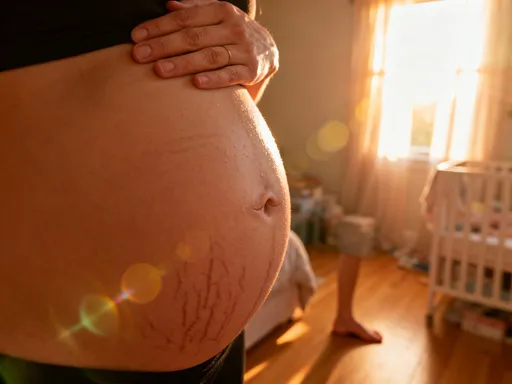
Childbirth, whether vaginal or cesarean, is a significant physical event. The body undergoes profound changes over nine months, and healing from that takes time. Muscles stretch, ligaments loosen, and internal structures shift to accommodate a growing baby. Returning to baseline function isn’t something that happens overnight. When women compare themselves to images of rapid recovery, they may overlook their own progress or ignore warning signs of complications. The pressure to look “normal” again can overshadow the more important goal: healing well.
Reframing postpartum recovery as rehabilitation—not transformation—can be empowering. Rehabilitation focuses on restoring function, building strength, and supporting long-term health. It’s not about how the body looks in a swimsuit, but how it feels during daily activities like lifting a car seat, climbing stairs, or playing with a toddler. When women shift their mindset from appearance to ability, they give themselves permission to heal at their own pace. This approach reduces shame and increases motivation, because progress is measured by resilience, not waist size.
Medical professionals increasingly emphasize that postpartum care should extend beyond the traditional six-week checkup. The American College of Obstetricians and Gynecologists (ACOG) now recommends ongoing care throughout the first 12 weeks and beyond, recognizing that recovery timelines vary. Every woman’s journey is influenced by factors like delivery type, sleep quality, mental health, and access to support. By treating recovery as a personalized process, women can focus on sustainable healing rather than unrealistic ideals.
The Hidden Impact on Core and Pelvic Floor – What No One Tells You
During pregnancy, the abdominal muscles stretch to make room for the growing uterus. One common result is diastasis recti, a separation of the rectus abdominis muscles along the midline of the abdomen. While some degree of separation is normal during pregnancy, a gap that remains wide after delivery can affect core stability and increase the risk of back pain, poor posture, and pelvic floor dysfunction. Many women aren’t aware this condition exists, let alone how to address it. They may unknowingly perform exercises like crunches or planks that worsen the separation, delaying recovery.
Equally important—and often overlooked—is the pelvic floor. This group of muscles supports the bladder, uterus, and rectum. Pregnancy and childbirth place immense pressure on these tissues, which can lead to weakness, overactivity, or nerve damage. Symptoms like urinary leakage when coughing or sneezing, difficulty controlling bowel movements, or a sensation of heaviness in the pelvis are not rare. In fact, studies suggest that up to one-third of women experience some form of pelvic floor dysfunction after childbirth. Yet, many assume these issues are just part of “being a mom” and don’t seek help.
The problem is that these conditions are common, but they are not normal in the long term. Just because something happens frequently doesn’t mean it should be accepted as inevitable. Left unaddressed, pelvic floor weakness can lead to chronic discomfort, reduced quality of life, and even the need for surgical intervention later. The good news is that most postpartum core and pelvic floor issues can improve significantly with the right approach. The key is early awareness and proper guidance.
Seeing a pelvic floor physical therapist can make a meaningful difference. These specialists assess muscle function, teach targeted exercises, and provide feedback on technique. Even women who feel “fine” can benefit from an evaluation, as some imbalances are not obvious without professional assessment. Learning how to engage the pelvic floor correctly, coordinate it with breathing, and avoid movements that increase downward pressure can prevent long-term complications. Knowledge is power—understanding how the body has changed is the first step toward reclaiming strength.
Breathing as the Foundation – The First Step to Healing
One of the most underestimated tools in postpartum recovery is breathing. It might seem too simple to matter, but diaphragmatic breathing—deep, coordinated breaths that engage the diaphragm rather than shallow chest breathing—plays a foundational role in core rehabilitation. The diaphragm works in harmony with the pelvic floor and deep abdominal muscles to create stability in the trunk. When this system is out of sync, pressure builds in the abdomen, which can worsen diastasis recti or pelvic floor strain.
Many new mothers unknowingly develop poor breathing patterns after childbirth. Pain from delivery, fatigue, or stress can lead to rapid, shallow breathing that keeps the body in a constant state of tension. This type of breathing doesn’t allow the diaphragm to move freely, which disrupts the natural rhythm between breath and pelvic floor movement. When you inhale, the diaphragm descends and the pelvic floor naturally lengthens; when you exhale, the diaphragm rises and the pelvic floor gently lifts. Re-establishing this connection is essential for healing.
Practicing diaphragmatic breathing involves lying on your back with knees bent, placing one hand on your chest and the other on your belly. As you inhale slowly through your nose, focus on expanding your belly outward while keeping your chest still. On the exhale, gently draw your lower abdomen inward and upward, as if zipping up from the pubic bone to the navel. This subtle engagement supports the transverse abdominis, the deepest layer of core muscle, without straining the rectus abdominis.
Starting with just five minutes a day, this practice can be done while feeding the baby, resting, or waiting for a shower. Over time, it retrains the nervous system to relax and improves oxygen flow to healing tissues. It also builds awareness of how the body moves and responds, which is crucial before progressing to more active exercises. Breathing is not just a warm-up—it’s the cornerstone of functional recovery. When women learn to breathe with intention, they lay the groundwork for stronger, more resilient movement patterns.
Gentle Movement That Actually Works – From Bed to Walking
In the early postpartum days, movement should be guided by comfort and safety, not intensity. Many women feel pressure to get back on their feet quickly, but rushing can interfere with healing—especially after cesarean birth, where internal tissues need time to mend. The goal during the first few weeks is not to burn calories, but to restore circulation, prevent blood clots, and begin re-establishing mind-body connection. Even small, intentional movements make a difference.
Getting out of bed properly is one of the first skills to relearn. Rolling to the side before sitting up—known as the log roll technique—protects the abdominal wall and reduces strain on healing tissues. This simple motion prevents sudden pressure that could worsen diastasis or delay incision healing. Once upright, standing with good posture—ears over shoulders, shoulders over hips—helps align the spine and engage core muscles without overworking them.
Short walks around the house or outside are among the most beneficial early exercises. Walking promotes blood flow, supports digestion, and boosts mood through natural endorphin release. It also encourages pelvic floor circulation, which aids tissue repair. Starting with just five to ten minutes and gradually increasing duration helps the body adapt without fatigue. The key is consistency, not distance. Walking with awareness—feeling the feet connect with the ground, coordinating breath with steps—turns a simple activity into a healing practice.
New mothers often underestimate how much energy caring for a newborn requires. Holding a baby, leaning over cribs, and breastfeeding in awkward positions place repetitive stress on the body. Gentle movement helps counteract these strains by improving posture and endurance. Stretching the hips, shoulders, and neck—areas that often tighten from caregiving—can relieve tension and prevent pain. The focus should be on listening to the body: if an activity causes pain, bleeding increases, or pelvic pressure worsens, it’s a sign to slow down.
Rebuilding Core Strength the Right Way – Beyond Crunches
Traditional abdominal exercises like crunches, sit-ups, and Russian twists are often counterproductive in the postpartum period. These movements create high intra-abdominal pressure, which can push the abdominal contents forward against an already weakened midline. For women with diastasis recti, such exercises may widen the separation rather than close it. Similarly, aggressive planks can overload the pelvic floor, especially if proper alignment and engagement are missing. The goal isn’t to avoid movement, but to choose exercises that restore function without causing harm.
Effective postpartum core rehabilitation begins with neuromuscular reconnection—retraining the brain to communicate with the deep stabilizing muscles. The transverse abdominis, the body’s natural “corset” muscle, plays a central role in this process. Activating it involves a gentle drawing-in of the lower abdomen just above the pubic bone, without holding the breath or tightening the glutes. This subtle contraction, when coordinated with breathing, helps close the gap in diastasis and supports the spine during everyday movements.
Progression is gradual. After mastering the basic engagement, women can practice it in different positions—on all fours, sitting, or standing—to build stability in real-life scenarios. Exercises like dead bugs, heel slides, and pelvic tilts allow for controlled movement while maintaining core connection. The emphasis is on quality of movement, not quantity. Performing five mindful repetitions with proper form is more effective than 20 rushed ones with poor technique.
Everyday positioning also matters. Lifting a car seat or bending to pick up toys should be done with a braced core and bent knees, not a rounded back. Learning to engage the core during functional tasks turns rehabilitation into daily life. Over time, this builds endurance and confidence. The result isn’t a flat stomach, but a body that feels strong, supported, and capable of meeting the demands of motherhood.
Emotional and Mental Recovery – Healing Isn’t Just Physical
Postpartum recovery is not just about muscles and movement—it’s also deeply emotional. The transition to motherhood brings identity shifts, sleep deprivation, and overwhelming responsibility. Many women struggle with feelings of loss, not just of their pre-baby body, but of their former independence and sense of self. These emotions are valid and common, yet they are often minimized with phrases like “just enjoy the time” or “it gets better.” While those sentiments come from care, they can leave women feeling isolated in their struggles.
Physical rehabilitation can play a powerful role in emotional healing. When women feel stronger and more in control of their bodies, their confidence grows. Simple victories—like lifting the baby without back pain, walking without leakage, or sleeping more soundly—contribute to a sense of competence and well-being. Movement also affects brain chemistry: regular, gentle exercise increases serotonin and dopamine levels, which can help regulate mood and reduce symptoms of postpartum anxiety or low mood.
Body awareness, developed through breathing and mindful movement, fosters a more compassionate relationship with the self. Instead of criticizing changes, women begin to appreciate what their bodies have endured and accomplished. This shift in perspective doesn’t happen overnight, but it grows with consistent practice. Recognizing progress, no matter how small, builds resilience and self-trust.
Support systems matter. Sharing experiences with other mothers, talking to a therapist, or working with a knowledgeable healthcare provider can validate emotions and reduce isolation. Emotional recovery isn’t linear—some days will feel easier than others. But by integrating physical and mental care, women create a more holistic foundation for healing. They learn that strength isn’t just physical; it’s the courage to rest, to ask for help, and to honor their own pace.
Creating a Sustainable Routine – Long-Term Wellness After Baby
Long-term postpartum recovery depends on consistency, not perfection. The demands of caring for a newborn make it challenging to stick to a formal exercise routine, but sustainability comes from integration, not intensity. The most effective practices are those that fit into real life—short sessions, multitasking opportunities, and family involvement. Five minutes of breathing while feeding, gentle stretches during nap time, or a 10-minute walk with the stroller can add up over time.
Partner support can make a meaningful difference. Whether it’s taking over baby duty for a short break or joining a walk together, having shared goals strengthens both relationships and recovery. Simple habits—like staying hydrated, prioritizing rest when possible, and eating balanced meals—also support physical healing. Nutrition fuels tissue repair, energy levels, and milk production for breastfeeding mothers. While no single diet guarantees recovery, consistent intake of protein, fiber, healthy fats, and water creates the internal environment needed for healing.
Knowing when to seek professional help is a sign of strength, not failure. If pain persists, leakage continues beyond a few months, or emotional struggles interfere with daily life, consulting a healthcare provider is essential. Pelvic floor physical therapy, counseling, or a postpartum checkup with a women’s health specialist can provide targeted support. These resources are not luxuries—they are vital components of comprehensive care.
Ultimately, postpartum rehabilitation is not a temporary phase to endure, but a foundation for lifelong wellness. The habits formed during this time—mindful movement, body awareness, self-compassion—can extend far beyond the first year. Women who invest in their recovery often report greater energy, improved posture, and increased confidence in their physical abilities. They learn that strength isn’t about returning to who they were, but about becoming who they are now—stronger, wiser, and more resilient than before.
Postpartum recovery isn’t about returning to who you were—it’s about evolving into who you are now, with greater awareness and strength. True rehabilitation takes time, patience, and the right approach. By focusing on functional healing, not aesthetics, women can rebuild their bodies and confidence in a way that lasts far beyond the first year.