Kyoto Bites That Will Blow Your Mind
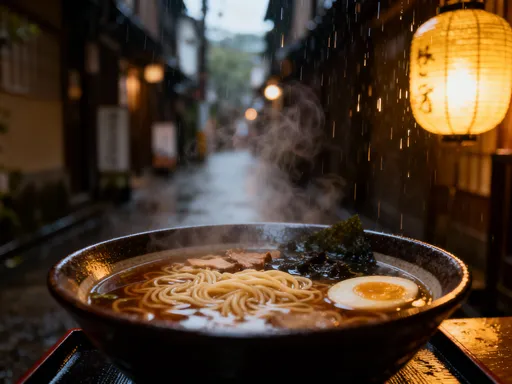
You know that feeling when you taste something so incredible it rewires your brain? That’s Kyoto. Walking through its quiet streets, I stumbled upon dining experiences that were anything but ordinary—steaming bowls of ramen in hidden alleys, matcha so rich it felt ceremonial, and sushi that melted like butter. This isn’t just food; it’s storytelling on a plate. If you think you know Japanese cuisine, think again. Kyoto doesn’t just feed you—it transforms you. With every bite, you’re invited into a centuries-old conversation between land, season, and craftsmanship. In this city, meals are not rushed but revered, and flavor is layered with meaning. What follows is a journey through the soul of Kyoto, one unforgettable dish at a time.
The Soul of Kyoto Lives in Its Food
Kyoto’s cuisine is not simply what the city eats—it is who the city is. Nestled in a basin surrounded by forested mountains, Kyoto has long been a sanctuary of culture, religion, and refinement. For over a thousand years, it served as Japan’s imperial capital, and its culinary traditions reflect that legacy of elegance and restraint. Unlike the bold, fast-paced flavors of Tokyo or the hearty indulgences of Osaka, Kyoto’s food speaks in whispers. It values balance, seasonality, and the quiet dignity of ingredients treated with reverence. This is a city where the first bamboo shoot of spring is celebrated with a special dish, and where a single leaf floating in a soup can signal the arrival of autumn.
At the heart of this philosophy is kaiseki, the pinnacle of Japanese haute cuisine. More than a multi-course meal, kaiseki is a meditation on nature, time, and harmony. Each dish is composed like a poem—structured, intentional, and fleeting. The progression of courses follows the rhythm of the seasons, with ingredients sourced at their peak. A summer menu might feature delicate whitefish served on a bed of ice, while winter offerings lean into simmered root vegetables and miso-rich broths. The presentation is equally deliberate: ceramic bowls are chosen for their texture and color, and dishes may be arranged to mimic a landscape—mountains, rivers, or a scattering of autumn leaves.
What sets Kyoto’s cuisine apart is its deep connection to Zen Buddhism and the tea ceremony, both of which emphasize mindfulness and simplicity. This influence is evident in dishes like yuba, the delicate skin that forms on the surface of heated soy milk. Often served chilled with a light dip or folded into rolls, yuba is a Kyoto specialty that showcases the beauty of subtlety. Similarly, tsukemono—traditional Japanese pickles—are not mere side dishes here but essential components of balance. Made from locally grown vegetables and fermented with rice bran or miso, these pickles add brightness and contrast to rich dishes, while also reflecting the city’s long-standing practice of preservation and waste reduction.
Kyoto’s chefs are not just cooks—they are custodians of tradition. Many have trained for decades under master artisans, learning not only techniques but also the philosophy behind each cut, simmer, and garnish. Their kitchens operate like studios, where every detail is considered. This dedication to craftsmanship means that even a simple bowl of rice is treated with care, cooked to a precise consistency and served in handcrafted ware. To eat in Kyoto is to participate in a culinary lineage that stretches back centuries, one where flavor is not the only goal—harmony is.
Morning Rituals: Starting the Day Like a Local
There is a particular kind of magic in Kyoto at dawn. The city stirs slowly, wrapped in a soft mist that lingers above the tiled roofs and stone pathways. This is when the real heartbeat of Kyoto begins—not in grand temples or tourist-lined streets, but in the quiet bustle of Nishiki Market. Known as “Kyoto’s Kitchen,” this narrow, covered arcade stretches nearly 400 meters and has been feeding the city since the 1300s. Long before the crowds arrive, local residents, chefs, and shopkeepers move through the aisles with purpose, selecting ingredients for the day ahead.
The air is rich with scent: the earthy tang of miso, the sweetness of simmering sweet potatoes, the briny aroma of pickled plum. At one end of the market, an elderly woman pounds mochi in a wooden mortar, her rhythmic strikes echoing down the lane. The freshly pounded rice cakes are warm, soft, and slightly chewy—best eaten with a dusting of roasted soybean flour or wrapped around a core of sweet red bean paste. Nearby, a vendor offers tamagoyaki, a rolled omelet that is denser and sweeter than its Western counterpart. Made with layers of egg cooked slowly in a rectangular pan, it’s a breakfast staple with a rich, custard-like texture. One century-old stall, run by the same family for five generations, draws regulars who swear it’s the best in the city.
For a truly traditional start to the day, few things compare to amazake, a naturally sweet, low-alcohol beverage made from fermented rice. Served warm in a small wooden cup, it has a creamy texture and a flavor reminiscent of rice pudding. It’s often enjoyed in the winter months, especially in old kissaten (traditional cafés) where the decor hasn’t changed in decades. These cafés, with their dark wood counters and soft lighting, are quiet sanctuaries where time slows. Locals sip amazake or green tea while reading newspapers, their mornings unfolding with a sense of calm intention.
Breakfast in Kyoto is not about speed or convenience. It’s a ritual, a way of grounding oneself before the day begins. Whether it’s a simple bowl of miso soup with grilled fish, a plate of pickled vegetables, or a warm rice ball wrapped in seaweed, the focus is on nourishment and presence. There are no drive-thrus or grab-and-go chains here. Instead, meals are taken with care, often at small counters where the chef greets you by name. This is the essence of Kyoto’s food culture: not extravagance, but attention. Every bite is an opportunity to connect—to the season, to the land, to the hands that prepared it.
Hidden Gems Beyond the Guidebooks
While Nishiki Market and Michelin-starred kaiseki restaurants draw well-deserved attention, some of Kyoto’s most memorable meals happen in places you won’t find on any map. These are the tucked-away soba noodle shops behind quiet shrines, the family-run cafés with no signage, the unassuming counters where the chef nods in greeting but says little. These spots are not hidden by design—they simply exist outside the cycle of online reviews and influencer check-ins. They thrive because locals return, day after day, year after year.
One such place is a tiny soba joint near the foot of Mount Hiei, accessible only by a narrow path lined with stone lanterns. The owner, a soft-spoken man in his seventies, grinds buckwheat flour by hand each morning and kneads the dough with practiced precision. The noodles, served cold with a dipping sauce or in a hot broth, have a nutty depth and a firm bite that commercial versions rarely match. There is no menu in English, no QR code to scan—just a chalkboard with kanji characters and a patient server who will guide you with gestures if needed. The experience feels intimate, almost sacred, as though you’ve been granted a quiet moment in someone’s daily life.
Another gem is a centuries-old matcha café in the Uji district, renowned for its heirloom tea leaves. The building itself is a relic—wooden beams darkened by time, tatami mats slightly frayed at the edges, and a garden view that changes with the seasons. Here, matcha is not a trendy latte but a carefully prepared ritual. The tea is stone-ground on-site, and the first sip is a revelation: vegetal, slightly bitter, with a lingering sweetness that coats the palate. The owner, a descendant of a long line of tea masters, often shares stories of harvest seasons and traditional farming methods, turning a simple cup into a lesson in heritage.
These places thrive on authenticity, not visibility. Many do not accept credit cards, have no website, and close early in the afternoon. Some operate only a few days a week. But that’s part of their charm—they are not trying to be discovered. They exist for those who seek them, who wander without an agenda, who listen to shopkeepers’ recommendations and follow the scent of grilled fish or fresh dough. To find them, you must trade convenience for curiosity. Put the phone away. Walk without a destination. Let the city guide you.
Kaiseki: Where Every Course Tells a Story
If Kyoto’s soul is in its food, then kaiseki is its most eloquent expression. A traditional kaiseki meal is not a sequence of dishes but a narrative, unfolding over eight to fifteen courses in a carefully choreographed progression. It begins with sakizuke, a small appetizer designed to awaken the palate, and moves through sashimi, grilled fish, simmered vegetables, soup, and rice, each course building on the last. The experience is as much about silence and space as it is about flavor. Between bites, there is time to reflect, to appreciate the craftsmanship, to notice how the light falls on a lacquered tray or how the texture of a dish changes with temperature.
The chef is both artist and storyteller. In a high-end ryokan or a private dining room, they may not speak at all, letting the food communicate directly. A single cherry blossom petal floating in a clear broth signals spring. A dish of grilled ayu (sweetfish) presented whole, with its skeleton shaped like a crescent moon, evokes the summer night sky. Even the tableware is chosen with intention—a moss-green plate for early summer, a rust-colored bowl for autumn. Nothing is arbitrary. Every element, from the chopsticks to the napkin fold, contributes to the mood.
While kaiseki is often associated with luxury, it is not exclusively for the wealthy. Mid-range restaurants offer abbreviated versions that still honor the tradition. These meals may have fewer courses or simpler presentations, but the philosophy remains: respect for ingredients, attention to seasonality, and a commitment to balance. Reservations are essential, often required weeks or even months in advance, especially at renowned establishments. But the wait is part of the experience—a sign that you are about to witness something rare and meaningful.
For first-time diners, the pace may feel slow, even meditative. There are no rushing, no loud conversations, no phones on the table. This is not a meal to consume but to contemplate. Each course invites you to slow down, to notice the interplay of textures, temperatures, and flavors. It is a reminder that eating can be an act of mindfulness, a way to connect with the present moment. In a world that often treats food as fuel, kaiseki restores its dignity as art, ritual, and gift.
Street Food with a Kyoto Twist
Kyoto’s street food is not loud or greasy—it is refined, thoughtful, and deeply rooted in tradition. Unlike the bustling takoyaki stands of Osaka or the neon-lit ramen alleys of Tokyo, Kyoto’s snacks are subtle, often sweet, and always elegant. They are meant to be savored, not devoured. One of the most iconic is yatsuhashi, a soft, triangular confection made from glutinous rice flour and filled with sweet red bean paste. Named after a legendary 17th-century musician, it comes in both baked and unbaked forms, the latter so delicate it dissolves on the tongue. Sold in decorative boxes, it’s a favorite souvenir—but best eaten fresh from a local shop near Kiyomizu-dera.
Another must-try is grilled mochi brushed with soy sauce and wrapped in nori. Found at small stalls near temples, it is simple but deeply satisfying—the crisp exterior giving way to a gooey, stretchy center. The soy glaze adds a savory depth that balances the inherent sweetness of the rice. Some vendors serve it on a skewer, others on a small plate with a side of kinako (roasted soybean flour). It’s the kind of snack that warms you from the inside, perfect after a morning of temple-hopping in the crisp mountain air.
And then there is matcha soft serve—a modern twist on an ancient tradition. While ice cream may seem out of place in a city known for its conservatism, Kyoto has embraced it with characteristic elegance. The best versions are made with high-grade Uji matcha, resulting in a vibrant green swirl that is intensely bitter, then subtly sweet, with a creamy mouthfeel. Served in a cone or a cup, often with a delicate wafer, it’s a treat that bridges past and present. The most sought-after stalls are those near historic sites like the Golden Pavilion or the Philosopher’s Path, where the experience of eating is enhanced by the surrounding beauty.
The key to enjoying Kyoto’s street food is knowing where to look. The busiest stalls, often lined with tourists, may offer consistency but lack soul. The best finds are quieter, tucked into alleyways or operated by elderly artisans who have been making the same recipe for decades. These are the places where quality trumps speed, where each item is made to order, and where the vendor remembers your preference. To eat well in Kyoto, you must be willing to wander, to wait, to trust the unmarked door.
Tea Culture Beyond the Ceremony
Tea is not just a drink in Kyoto—it is a way of life. While the formal tea ceremony, with its precise movements and meditative silence, is world-renowned, the true depth of Kyoto’s tea culture lies in its everyday moments. It’s in the old man sipping sencha at a park bench, the student grinding matcha between classes, the family sharing a pot after dinner. Tea is woven into the fabric of daily existence, a constant companion that offers comfort, clarity, and connection.
The city’s relationship with tea is rooted in Uji, a district just south of Kyoto that has been producing some of Japan’s finest green tea for over 800 years. Uji tea is distinguished by its deep umami flavor, vibrant color, and smooth finish—qualities achieved through shaded cultivation and careful processing. The most prized variety, gyokuro, is shaded for weeks before harvest, increasing chlorophyll and amino acids. The result is a tea that is rich, sweet, and complex, often described as “liquid jade.”
Visitors can experience this heritage firsthand by touring a tea farm in Uji. Many offer hands-on experiences where you can pick leaves, watch them steamed and rolled, and even try grinding your own matcha using a traditional stone mill. The process is slow and deliberate, a reminder that great tea cannot be rushed. Afterward, you might sit in a sunlit room and taste a flight of teas, from light sencha to bold matcha, each revealing a different facet of the plant’s potential.
In the city itself, tea culture thrives in both traditional and modern forms. Kissaten, the old-school cafés, serve thick, frothy matcha in ceramic bowls, often accompanied by a small sweet like wagashi. These sweets, shaped like flowers or leaves, are designed to complement the tea’s bitterness. At the same time, a new generation of tea bars is reimagining matcha for contemporary tastes—serving lattes with oat milk, matcha parfaits with red beans and mochi, and even matcha cocktails in the evening. Yet even in these modern spaces, the reverence remains. This is not just a trend; it is a continuation of a legacy.
Dining Etiquette: What No One Tells You
For all its beauty, Kyoto’s dining culture can be intimidating to newcomers. There are unspoken rules, subtle gestures, and customs that are rarely explained but always observed. Understanding them can transform a meal from awkward to graceful. One of the first things to know is that shoes are often removed before entering a restaurant, especially those with tatami flooring. Look for a small step-down at the entrance and a row of slippers—some places even provide indoor slippers for the bathroom, which you must switch to upon entry.
When seated, avoid pointing your chopsticks at others or sticking them upright in a bowl of rice—that resembles incense at a funeral and is considered deeply inappropriate. Instead, rest them on the provided chopstick rest or the edge of your plate. It is perfectly acceptable, even encouraged, to slurp noodles like ramen or soba—this shows appreciation for the dish and helps cool the hot broth. When drinking soup, lift the bowl to your mouth rather than using a spoon. And never pour your own drink; in group settings, it is customary to pour for others, and they will return the gesture.
Tipping is not practiced in Japan and can be seen as rude, as service is considered part of the establishment’s responsibility, not an individual’s labor. Instead, the highest compliment you can give is quiet appreciation—finishing your meal, speaking softly, and thanking the staff sincerely as you leave. A simple “gochisousama deshita” (“thank you for the meal”) goes a long way.
Finally, embrace the silence. Many traditional restaurants are quiet, even solemn. Conversations are kept low, and there is space between courses. This is not coldness—it is respect. By slowing down, listening, and observing, you become part of the rhythm of the meal. You are not just eating; you are participating in a culture that values presence over speed, depth over distraction.
Conclusion: Why Kyoto Changes How You Taste the World
To eat in Kyoto is to experience food as something more than sustenance. It is to understand that a meal can be a form of art, a reflection of history, a gesture of care. In a world that often rushes through meals, Kyoto teaches us to pause, to notice, to savor. Its cuisine does not shout—it whispers. It does not overwhelm—it reveals itself slowly, like the unfolding of a scroll.
What stays with you after a visit is not just the taste of matcha or the texture of yuba, but the feeling of being seen, of being part of a tradition that values mindfulness and connection. Kyoto’s kitchens are not just places of production—they are spaces of intention, where every detail is considered, every ingredient honored. This is a city that reminds us that how we eat matters, that the act of sharing food can be sacred.
So when you travel here, do not come only to taste. Come to listen. Come to learn. Let the quiet wisdom of Kyoto’s culinary culture reshape your relationship with food. Let it teach you that the most profound flavors are not the loudest, but the ones that linger in silence. And when you return home, you may find yourself reaching not for the quickest bite, but for the one made with care—for in Kyoto, you have tasted what care truly tastes like.