Seattle’s Cityscape Unlocked: A Self-Drive Journey Through Urban Magic
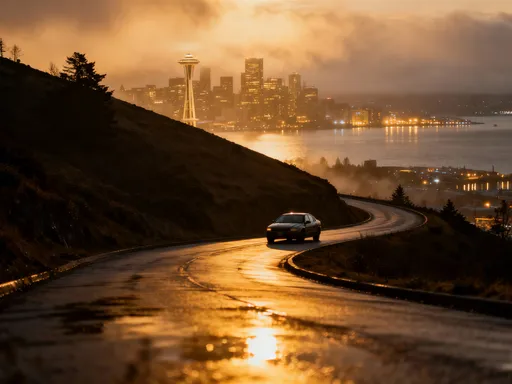
Driving through Seattle is like watching a living postcard unfold. Skyscrapers rise beside evergreen hills, water glimmers at every turn, and the city pulses with quiet energy. I hit the road with no strict plan—just a tank full of gas and curiosity. What I discovered was more than skyline views; it was how the city connects nature and urban life in ways you’ve got to see to believe. This is real, raw, and absolutely unforgettable. The rhythm of the drive, the changing light on glass towers, the sudden reveal of Puget Sound between neighborhoods—each moment felt personal, unscripted, and deeply moving. For travelers seeking connection over checklist tourism, Seattle’s cityscape is best experienced not on foot or by rail, but behind the wheel.
Why Seattle by Car Changes Everything
Exploring Seattle with your own wheels transforms the experience from observation to immersion. Public transit and walking routes cover major attractions, but they follow fixed paths and schedules. A car, on the other hand, offers flexibility—letting you respond to weather, light, and instinct. Imagine seeing a break in the clouds over downtown and deciding, in the moment, to drive up to a hillside overlook before the sun dips below the horizon. That kind of spontaneity is only possible with self-drive access.
Seattle’s geography amplifies this advantage. The city is compact, yet layered—built on hills, islands, and waterways that create natural vantage points. Many of the most stunning views are not at ground level or on tourist maps but tucked into residential streets or accessible only by short drives up winding roads. Kerry Park, for example, offers one of the most iconic skyline shots, but it’s nestled in a quiet neighborhood on Queen Anne Hill. Without a car, getting there involves a steep walk or a series of bus transfers. With a car, you arrive relaxed, camera ready, and in control of your timing.
Additionally, the city’s traffic patterns and bridge operations can affect access. The Fremont and Ballard bridges open regularly for boat traffic, and knowing when to avoid them—or how to reroute—gives drivers a strategic edge. Tour buses may wait in line; pedestrians may be delayed. But a self-driven route allows you to adapt, turning potential frustrations into opportunities for discovery. This autonomy is not just convenient—it’s transformative. It turns a sightseeing trip into a personal journey shaped by your own rhythm and curiosity.
The Golden Route: Lakes, Hills, and Skyline Reveals
One of the most rewarding self-drive loops in Seattle begins at the eastern edge of Lake Union and winds its way westward toward Puget Sound, climbing into the hills for panoramic views. This route, often referred to by locals as the “Skyline Loop,” combines water reflections, urban architecture, and natural elevation to deliver a dynamic visual story. It’s not just about the destinations—it’s about how each stop builds on the last, creating a narrative of the city’s layered beauty.
The journey starts at Gas Works Park, a beloved waterfront green space on the north shore of Lake Union. Parking is available, and the park’s sloping hill offers an expansive view of downtown across the water. At sunrise, the skyline glows in soft gold, mirrored perfectly in the still lake. This is an ideal first stop, especially in the early hours when foot traffic is light and the air is crisp. Photographers will appreciate the clarity and the way the low sun highlights the Space Needle and surrounding towers without harsh contrast.
From there, driving west along Roanoke Street SW, the road climbs gently into Queen Anne Hill. The route passes through tree-lined streets and quiet residential zones, offering glimpses of the city between homes and gardens. The destination: Kerry Park. Small in size but monumental in impact, this tiny public space delivers what many consider the most complete view of Seattle’s skyline. On a clear day, the Space Needle stands front and center, flanked by modern high-rises, with Mount Rainier often visible in the distance. It’s a postcard-perfect composition, and because the park is only accessible by car or a steep walk, it tends to be less crowded than downtown viewpoints.
Continuing west, the road descends toward Elliott Bay, where the city meets the sea. A short detour to the Magnolia neighborhood leads to Discovery Park, Seattle’s largest green space. While the park itself is vast, the drive along West Bluff Trail offers one of the most serene skyline views from across the water. Here, the city appears framed by native trees and rocky shoreline, creating a contrast between urban density and natural calm. The shift in perspective—from close-up architecture to distant silhouette—deepens the appreciation of Seattle’s unique balance between city and wilderness.
Waterfront to Sky: How the City Rises from Puget Sound
Seattle’s identity is inseparable from its relationship with water. The city was built on tide flats and bluffs along Puget Sound, and its economy, culture, and daily life are shaped by the marine environment. A drive along the waterfront offers a ground-level understanding of this connection—one that is often missed by those who only view the skyline from above.
Starting at the foot of Pike Street, Alaskan Way runs along the central waterfront, offering uninterrupted views of Elliott Bay. This route is alive with movement: ferries glide between terminals, cargo ships dock at the port, and recreational boats weave through the channels. Driving slowly along this stretch allows you to absorb the rhythm of maritime activity. The Seattle Ferry Terminal, in particular, is a hub of constant motion. Watching the Washington State Ferries depart for Bainbridge Island or Bremerton is not just a transit observation—it’s a glimpse into the regional connectivity that defines life in the Pacific Northwest.
As you continue south, the road curves into Harbor Island and the industrial zones near the port. While not traditionally scenic, this area reveals the working side of the city—the cranes, warehouses, and shipping lanes that support Seattle’s economy. From the car window, you can see how the city functions beyond tourism and tech. It’s a reminder that beauty and utility coexist here, each shaping the other.
North of downtown, the drive along Lake Union’s Ship Canal offers another water-to-sky narrative. The Hiram M. Chittenden Locks at the canal’s west end control water flow between freshwater and saltwater systems. Watching boats navigate the locks from a nearby parking area is a quiet spectacle. The surrounding parkland, with its botanical gardens and walking paths, provides a soft contrast to the mechanical precision of the locks. This stretch of the drive illustrates how Seattle manages its complex water systems while preserving public access and green space—a balance achieved through thoughtful urban planning.
Hidden Corners Only Drivers Find
Beyond the famous viewpoints lie quieter, lesser-known spots that offer intimate perspectives of the city. These places are not hidden because they’re secret, but because they’re off the standard tourist path—accessible only by car or a long walk. For self-drivers, they represent moments of quiet discovery, where the city reveals itself in unexpected ways.
One such location is Me-Kwa-Mooks Park in West Seattle. Tucked along Alki Point, this coastal park offers a sweeping view of downtown across Elliott Bay. Unlike the crowded Alki Beach, Me-Kwa-Mooks is often quiet, with shaded trails and rocky outcrops perfect for pausing and reflecting. The drive there takes you through residential streets with ocean breezes and glimpses of beachside homes. Arriving at sunset, when the skyline lights up in warm tones, feels like a private moment with the city.
Another overlooked gem is Lincoln Park in West Seattle. The southern end of the park features a dramatic cliffside overlook with a panoramic view of the Sound and the city beyond. The road down to the beach is narrow but well-maintained, and parking is available. From this vantage point, the skyline appears distant and dreamlike, softened by the marine layer. It’s a favorite among locals but rarely appears on visitor itineraries—proof that accessibility by car opens doors to more authentic experiences.
In the Magnolia neighborhood, a loop drive around the northern bluffs offers multiple pull-offs with unobstructed views of the Space Needle and downtown. These spots are used by photographers and dog walkers, but seldom by tourists. The streets are quiet, the air is fresh, and the sense of solitude enhances the beauty of the scene. These micro-moments—finding a quiet bench, watching a sailboat pass, hearing the wind in the trees—are what make a self-drive journey memorable. They can’t be scheduled, but they can be sought.
Timing, Traffic, and the Art of the Perfect Shot
Seattle’s beauty is deeply influenced by time and weather. The city is known for its cloudy skies, but those overcast days can actually enhance photography by diffusing light and reducing harsh shadows. For crisp, high-contrast images, however, the best times are early morning and late afternoon, especially when the sun breaks through. A self-drive itinerary allows you to chase these fleeting conditions.
Sunrise over Lake Union is a prime example. Arriving before 6:30 a.m. in summer ensures you catch the first light hitting the skyline. The water is usually calm, creating perfect reflections. By contrast, sunset at Kerry Park draws crowds, so arriving 45 minutes early ensures a good spot. Midday light can be flat, but overcast afternoons often produce vibrant colors in the city’s glass towers, making them appear to glow from within.
Traffic is another factor to consider. Downtown congestion peaks between 8–9 a.m. and 5–6 p.m., so planning drives outside these windows keeps the journey smooth. The Aurora Bridge and I-5 corridor can back up quickly, but alternate routes like Dexter Avenue or the Magnolia Bridge offer quieter options. GPS tools help, but local knowledge—such as knowing when the Fremont Bridge opens—can prevent unnecessary delays.
Weather apps and traffic updates should be part of the preparation. A sudden rain shower might seem like a setback, but it can create dramatic cloud formations and glistening streets that add depth to photos. The key is flexibility—something a self-driven trip uniquely supports. Instead of being locked into a schedule, you can wait out a storm at a coffee shop, then drive to a viewpoint as the clouds lift. This responsiveness turns weather from a challenge into an ally.
Fuel, Parking, and Where to Pause
A successful self-drive journey depends on practical logistics. Seattle is generally car-friendly, but parking near popular viewpoints can be limited. Knowing where and how long you can park ensures a stress-free experience.
At Kerry Park, street parking is available along First Avenue West, but spaces are narrow and in high demand during peak hours. Staying no more than 2–3 hours is respectful to residents. Gas Works Park has a dedicated lot with clear signage and attendants during busy times. Discovery Park offers a large main lot, and the West Bluff area is accessible via a paved road. In residential neighborhoods like Queen Anne or Magnolia, parking should be courteous—avoid blocking driveways or fire hydrants.
Fuel stations are plentiful along major corridors like Aurora Avenue and Highway 99. Many offer self-service and credit card payment, making refueling quick and easy. For longer drives, keeping the tank at least half full is wise, especially when exploring less urbanized areas.
Pausing for refreshments is part of the rhythm. Local coffee shops like Storyville Coffee in the Market or Victrola in Capitol Hill offer quality brews without the tourist markup. For a quick bite, Paseo’s sandwich stand or a food truck near South Lake Union provides satisfying options. These stops aren’t just about fuel—they’re moments to absorb the local culture, hear conversations, and reset before the next leg of the journey.
Why This Drive Stays With You
A self-drive journey through Seattle’s cityscape is more than a tour—it’s a conversation between traveler and place. The act of driving creates a unique form of engagement. You’re not just seeing the city; you’re moving through it, responding to its moods, and making choices that shape your experience. This active participation fosters a deeper connection than passive observation ever could.
The memories that last are not just of skyline views, but of moments in between: the smell of rain on pavement, the sound of a ferry horn echoing across the water, the warmth of coffee in your hands as you watch the city wake up. These sensory details, collected over hours behind the wheel, form a personal narrative—one that belongs only to you.
Moreover, the drive teaches appreciation for Seattle’s design. The way neighborhoods flow into one another, how green spaces are woven into the urban fabric, and how water defines the city’s edges—all become clearer when experienced at ground level and at your own pace. It’s a lesson in urban harmony, where nature and city coexist not by accident, but by intention.
For women in their 30s to 50s—many of whom balance family, work, and personal well-being—this kind of journey offers something rare: autonomy, reflection, and beauty without spectacle. It’s travel that doesn’t demand adrenaline or extravagance, but rewards curiosity and presence. You don’t need to be an expert driver or a seasoned photographer. You just need a car, a map, and the willingness to see where the road takes you.
In the end, Seattle’s cityscape is not just something to be seen—it’s something to be felt. And the best way to feel it is behind the wheel, moving at your own pace, discovering not just the city, but a quieter, more centered version of yourself. That’s the magic of the drive. That’s why it stays with you long after the engine stops.