Wandering Oslo’s Hidden Public Spaces – You’ve Gotta See This
You know that feeling when a city surprises you? Oslo did exactly that. I went in expecting fjords and Nordic design, but what stole my heart was its public spaces—quiet corners, open plazas, unexpected green pockets. Wandering without a map, I discovered how these shared spaces breathe life into the city. They’re not just for show; they’re where locals live, relax, and connect. This is Oslo beyond the guidebooks—authentic, intimate, and absolutely stunning.
The Pulse of the City: Why Public Spaces Matter in Oslo
In Oslo, public spaces are not afterthoughts in urban design—they are central to the city’s rhythm and soul. Unlike many capital cities where development prioritizes commercial interests, Oslo has long embraced a philosophy that places accessibility, inclusivity, and nature at the core of city planning. From wide pedestrian walkways to thoughtfully placed benches and green corridors, the city is built for people, not just vehicles or transactions. These spaces serve as communal living rooms where residents of all ages and backgrounds can gather, pause, or simply exist without obligation. It's a subtle yet powerful expression of civic care, one that reflects Norway’s broader commitment to quality of life and social well-being.
The cultural concept of friluftsliv—which translates roughly to “free air life”—plays a key role in shaping how Oslo residents engage with their environment. This deeply rooted tradition values time spent outdoors, regardless of weather, and sees nature not as a destination but as part of daily life. In Oslo, this ethos is woven into the urban fabric. Parks, waterfronts, and even small neighborhood squares are treated as essential infrastructure, much like schools or healthcare. They are designed to be used, not just admired from a distance. Benches face the sun, pathways encourage walking, and seasonal changes are celebrated rather than resisted. Snow-covered plazas become places for quiet reflection; spring blossoms draw families into shared green spaces.
What makes these spaces truly effective is their democratic nature. There are no entry fees, no gatekeepers, and no expectation to spend money to belong. A child can roll down a grassy hill, an elderly couple can share a thermos on a bench, and a student can read under a tree—all within the same public park, all feeling equally welcome. This sense of shared ownership fosters community trust and belonging. Studies have shown that cities with well-maintained, accessible public spaces report higher levels of citizen satisfaction and lower rates of social isolation. In Oslo, this is not theoretical—it’s lived reality. The city’s investment in these areas isn’t just about aesthetics; it’s a long-term strategy for fostering mental health, environmental awareness, and civic pride.
A Walk Through Aker Brygge: Where Water Meets Community
Aker Brygge, once a bustling shipyard, now stands as one of Oslo’s most vibrant public waterfronts—a seamless blend of history, design, and everyday life. Located along the eastern edge of the Oslofjord, this redeveloped harbor district invites visitors and locals alike to slow down and take in the view. What sets Aker Brygge apart is not just its scenic location but its thoughtful layout, which prioritizes pedestrian movement and lingering. Wide wooden decks stretch along the water’s edge, dotted with benches, bike racks, and low lighting that glows warmly in the evening. There are no cars rushing through; instead, the soundtrack is made up of lapping waves, distant ferry horns, and the soft hum of conversation.
One of the most striking features of Aker Brygge is how it remains active throughout the year. In summer, people gather on the open decks with ice cream or takeaway coffee, watching sailboats drift by. In winter, when temperatures dip and snow dusts the railings, the space transforms without losing its energy. Locals still walk their dogs along the promenade, bundled in wool coats, while others stop to watch the frost form on the water. The presence of nearby cafés and restaurants enhances the experience without overwhelming it. These establishments spill out into the public realm during warmer months, offering outdoor seating that feels integrated rather than intrusive. Street performers appear occasionally—often a guitarist or a violinist—but never in excess, preserving the area’s calm and open atmosphere.
What makes Aker Brygge a model of successful urban renewal is its balance between development and openness. While there are high-end apartments and shops nearby, the public spaces remain generous and uncommercialized. You won’t find ticketed attractions or roped-off areas. Instead, the entire waterfront is free to access, encouraging spontaneous interaction and relaxed exploration. Families let children chase seagulls, couples sit side by side watching the sunset, and solo walkers pause to take photos or just breathe. This ease of access and the sense of safety it fosters make Aker Brygge not just a destination, but a living part of Oslo’s daily rhythm. It’s a place where the city opens its arms to everyone, regardless of background or purpose.
Enerhaugen and the Charm of Quiet Urban Corners
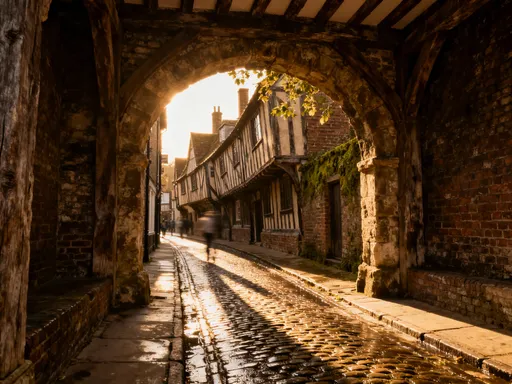
While many tourists flock to Oslo’s iconic landmarks, some of the city’s most authentic moments unfold in its quieter neighborhoods—nowhere more so than Enerhaugen. Nestled just north of the city center, this historic district offers a gentle contrast to the modern skyline. With its narrow streets, 19th-century wooden houses, and small triangular squares, Enerhaugen feels like a village within the city. It’s a place where time slows, and the hum of urban life fades into the background. Here, public spaces are not grand plazas but intimate pockets—patches of green between buildings, tucked-away benches under trees, and cobblestone corners where neighbors greet each other by name.
One of the most endearing aspects of Enerhaugen is how its public spaces encourage casual interaction. In the mornings, it’s common to see residents stepping out with coffee in hand, pausing to chat with a neighbor on a shared stoop or sitting quietly on a bench while reading the paper. Children play in the small playground near Bispegata, while parents watch from nearby benches, often joined by elderly residents who come to enjoy the sunlight. These moments may seem ordinary, but they are the building blocks of community. Unlike larger, more formal parks, these micro-spaces thrive on proximity and familiarity. They don’t require special events or programming to come alive—they simply exist, ready to be used.
The design of these spaces reflects a deep understanding of human scale. Benches are placed to catch the morning sun, trees provide shade in summer, and flower beds are maintained by local volunteers. There’s a sense of collective stewardship—residents care for these areas because they feel ownership. It’s not uncommon to see someone picking up litter or adjusting a fallen branch, not out of obligation, but out of quiet pride. This level of care speaks volumes about the neighborhood’s values. Enerhaugen reminds us that not all meaningful public spaces need to be large or famous. Sometimes, the most powerful ones are the ones that go unnoticed—small, humble, and full of life in their own quiet way.
The Oslo Opera House Roof: A Public Stage Like No Other
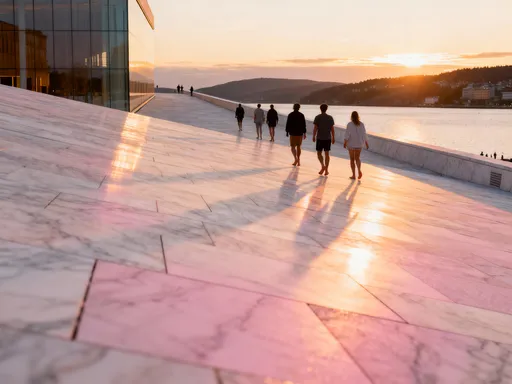
Rising from the waterfront like a glacier meeting the sea, the Oslo Opera House is one of the city’s most iconic structures—and one of its most democratic. Designed by the architectural firm Snøhetta, the building is not just a venue for performances; it’s an invitation. The most remarkable feature is its sloping marble roof, which begins at ground level and rises 15 meters above the harbor, allowing visitors to walk, sit, or even lie down with unobstructed views of the city and the fjord. Unlike many cultural institutions that feel exclusive or formal, the Opera House welcomes everyone, free of charge, to experience its architecture as both art and public park.
Walking up the roof is an experience in itself. The white Carrara marble surface, cool underfoot, slopes gently enough for children and older adults to ascend with ease. As you climb, the city unfolds around you—the green spires of churches, the modern lines of new developments, the deep blue of the water stretching toward the horizon. At the top, people gather in small groups: a family unpacking snacks, a couple taking photos, a teenager sketching the skyline. Some come to watch the sunset; others use the space for quiet contemplation. In winter, when the roof is dusted with snow, it becomes a place of stillness and beauty, where the only sounds are the wind and distant city hum.
What makes this space so powerful is how it blurs the line between architecture and nature, between institution and public realm. The Opera House could have been a closed-off cultural monument, accessible only to ticket holders. Instead, it opens its arms to all, embodying a philosophy that culture and beauty should not be reserved for the few. This design choice reflects a broader Norwegian value: that shared spaces should be inclusive, functional, and inspiring. Whether you’re attending a performance inside or simply sitting on the roof with a thermos of tea, you are part of the experience. The Opera House roof is not just a place to see the city—it’s a place to feel connected to it.
Tøyen Park and the Green Heart of East Oslo
If Aker Brygge represents Oslo’s polished waterfront and the Opera House its architectural ambition, Tøyen Park embodies its inclusive, green soul. Located in the eastern part of the city, this expansive park serves as a vital green lung for one of Oslo’s most diverse neighborhoods. Unlike more manicured gardens, Tøyen Park feels alive and unpolished—its winding paths, wildflower meadows, and open lawns shaped by use as much as design. Families picnic on blankets, children run through sprinklers in summer, and teenagers play football on the fields. The air is filled with the scent of pine and freshly cut grass, a welcome contrast to the urban density just beyond the tree line.
One of the park’s greatest strengths is its accessibility. Served by multiple tram and bus lines, it is easy to reach from across the city, and its entrances are wide and welcoming. Once inside, visitors encounter a variety of spaces: a formal rose garden, a community-run orchard, a small pond with ducks, and quiet reading nooks shaded by tall trees. The park also hosts the Munch Museum and the Botanical Garden, adding cultural and educational layers to its natural offerings. Yet, despite these institutions, the park never feels elitist. It is, first and foremost, a place for people. On weekends, it buzzes with informal gatherings—friends sharing food, musicians playing acoustic sets, elders teaching grandchildren how to fly kites.
Tøyen Park also reflects Oslo’s commitment to environmental education and community involvement. Local schools use the space for outdoor lessons, and volunteer groups organize seasonal clean-ups and planting days. The park’s design encourages exploration and discovery, with hidden trails and birdwatching spots that reward slow, mindful walking. It’s not a place to rush through, but to linger in. For residents of East Oslo, many of whom come from immigrant backgrounds, the park serves as a neutral, welcoming ground where cultures intersect and friendships form. In this way, Tøyen Park is more than a green space—it’s a living example of how nature can foster inclusion, health, and connection in an urban setting.
Practical Wandering: How to Explore Oslo’s Public Spaces Like a Local
Exploring Oslo’s public spaces doesn’t require a detailed itinerary or expensive gear—just curiosity and a willingness to move at a relaxed pace. The best way to experience the city is on foot, using its excellent public transit system to reach different neighborhoods and then wandering freely. Start in the morning, when the light is soft and the streets are quiet. Wear comfortable, weather-appropriate clothing—layers are essential, as Oslo’s climate can shift quickly. A waterproof jacket, sturdy shoes, and a reusable coffee cup are all you really need. Norwegians often bring coffee to-go from local cafés, then find a bench with a good view to enjoy it slowly. This simple ritual is a key part of the city’s public culture: presence over productivity.
For a fulfilling day of exploration, consider a walking route that connects several spaces organically. Begin at the Opera House, where you can walk the roof and take in the panoramic view. From there, follow the waterfront path toward Aker Brygge, pausing at benches along the way. Continue north into the city center, then loop toward Enerhaugen to experience its quieter, residential charm. In the afternoon, take a tram to Tøyen Park, where you can spend time in nature before heading back. This route offers a balanced mix of water, architecture, neighborhood life, and green space—giving you a well-rounded sense of Oslo’s urban character.
Timing matters. Mornings and weekdays are ideal for avoiding crowds and experiencing spaces as locals do. Summer offers long daylight hours, perfect for evening strolls, while winter brings a different kind of beauty—snow-covered benches, frozen ponds, and the warm glow of streetlights. Don’t be discouraged by the cold; Norwegians believe there’s no bad weather, only bad clothing. Bring a thermos of tea or cocoa, and you’ll find winter parks just as inviting. Above all, allow yourself to get lost. Some of the best discoveries happen when you step off the main path and follow a quiet alley or an unmarked trail. Let the city surprise you, just as it surprised me.
Beyond Beauty: The Deeper Meaning of Shared Urban Freedom
Oslo’s public spaces are beautiful, yes—but their true significance lies deeper. They are not merely decorative elements in city planning; they are expressions of values. In a world where urban environments often feel fragmented, commercialized, or exclusionary, Oslo offers a different model—one rooted in equality, openness, and trust. The fact that a marble roof, a waterfront promenade, or a neighborhood square is freely accessible to all is not accidental. It is a deliberate choice, shaped by decades of civic philosophy and environmental awareness. These spaces say, quietly but clearly: you belong here.
This sense of belonging is not taken for granted. It is nurtured through design that prioritizes human needs over profit, through policies that protect green areas from overdevelopment, and through a culture that values shared experience. When a child can climb a hill without supervision, when an elderly person can sit safely on a bench for hours, when a tourist can lie on a roof and watch the clouds—these are not small things. They are indicators of a society that trusts its people and invests in their well-being. Oslo’s public spaces reflect a belief that cities should serve everyone, not just those who can afford to participate.
As we face growing urbanization and social fragmentation worldwide, Oslo’s approach offers valuable lessons. It reminds us that the heart of a city is not its skyline or its economy, but its shared spaces—where people meet, pause, and simply be. These spaces are not luxuries; they are necessities for mental health, community resilience, and environmental sustainability. To wander Oslo’s public spaces is to witness a vision of urban life that is both practical and poetic. It invites us to slow down, to look around, and to remember that the best parts of a city are often the ones we don’t have to pay for. So take a walk. Find a bench. Breathe. And let the city speak to you—not through monuments, but through the quiet grace of its open spaces.