You Gotta Try This: Auckland’s Local Flavors Uncovered
Auckland isn’t just about sky towers and harbor views—its food scene is where the real magic happens. As New Zealand’s most diverse city, it serves up a flavorful mix of Māori tradition, Pacific Island richness, and modern fusion. I hit the streets to find where locals actually eat, from bustling markets to hidden cafes. What I discovered wasn’t just delicious—it was deeply authentic. This is your no-fluff guide to tasting Auckland like you belong here. More than any postcard-perfect skyline, the city’s soul reveals itself in the steam rising from a dumpling basket, the scent of coconut and grilled fish at a weekend market, or the warm crunch of freshly baked sourdough at a neighborhood café. Food in Auckland is both celebration and connection—a living record of who lives here, where they’ve come from, and how they choose to share their culture.
A City on a Plate: Why Auckland’s Food Tells Its Story
Auckland is often called Aotearoa’s cultural melting pot, and nowhere is that more evident than on a plate. With over a third of its residents born overseas, the city’s culinary landscape mirrors its demographic richness. This isn’t fusion for trend’s sake—it’s food born from generations of migration, adaptation, and pride. Māori cuisine, rooted in kai (food) gathered from the land and sea, forms the foundation. Ingredients like kūmara (sweet potato), kawakawa (a native pepper leaf), and puha (a leafy green similar to sow thistle) are no longer confined to traditional hāngī (earth oven) feasts but now appear in modern dishes across the city’s eateries.
At the same time, the strong Pasifika presence—particularly from Samoa, Tonga, and the Cook Islands—has deeply influenced what Aucklanders eat every day. You’ll find tinned corned beef transformed into savory samosas, or coconut cream enriching stews in ways that echo island kitchens. Asian communities, especially Chinese, Indian, Korean, and Thai, have also left an indelible mark. From the fragrant laksa stalls in suburban strip malls to Vietnamese pho shops open before dawn, these flavors aren’t niche—they’re part of the city’s daily rhythm.
European influences, particularly British and Mediterranean, remain present but have evolved. Think of a Sunday roast reimagined with locally sourced lamb and roasted kūmara instead of potatoes. Or a Middle Eastern spice blend used to season free-range chicken at a Ponsonby eatery. What makes Auckland’s food culture so compelling is its lack of hierarchy—no single cuisine dominates. Instead, there’s a respectful blending, where tradition meets innovation in accessible, everyday meals. When you eat in Auckland, you’re not just tasting food—you’re experiencing a living, breathing narrative of community and coexistence.
From Market Stalls to Food Trucks: Where Locals Eat Every Day
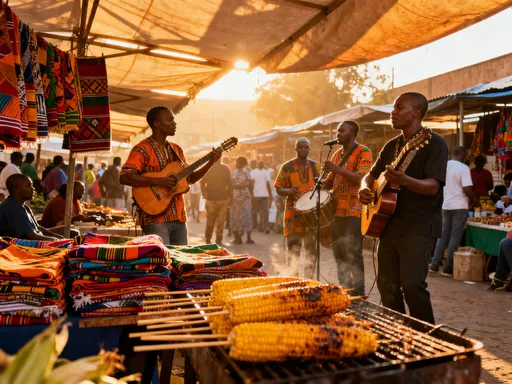
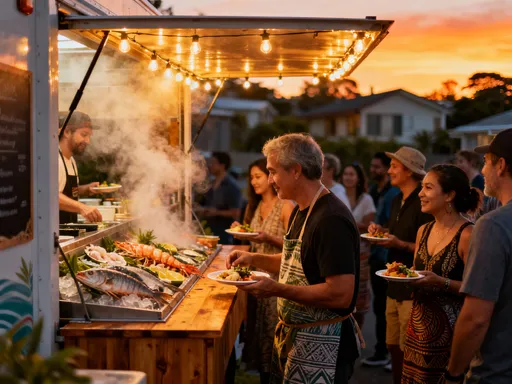
If you want to eat like an Aucklander, start at the markets. These aren’t tourist bazaars with overpriced souvenirs—they’re vibrant, noisy, and deliciously chaotic hubs where real people grab lunch between shifts, meet friends after school drop-offs, or browse for fresh produce on a Saturday morning. The Auckland Night Market at St Luke’s is a prime example. Open several nights a week, it draws crowds from all corners of the city with its rainbow of food stalls, each offering something bold and satisfying. The air hums with sizzling woks, the tang of chili oil, and the sweet steam of bao buns puffing up in bamboo baskets.
Here, you’ll find steamed pork buns that burst with juicy filling, curried chicken dumplings dusted with cilantro, and golden skewers of grilled meat glazed in teriyaki or satay sauce. For something refreshing, vendors blend fresh fruit into icy smoothies—mango with lime, pineapple with mint, or banana with coconut water. It’s food designed for eating on the go, with paper napkins and plastic forks, yet every bite carries care and craftsmanship. Unlike formal restaurants where silence is expected, these markets thrive on energy—children laughing, friends calling out orders, music blending with the clatter of pans.
Similarly, the lunchtime pop-ups in Aotea Square bring the city’s workforce into close contact with its culinary diversity. Office workers in suits queue beside tradies in high-vis vests, all waiting for the same thing: a satisfying, affordable meal. You might find Korean-style fried chicken with pickled radish, Nepalese momos served with spicy achar, or Fijian lovo-inspired wraps filled with slow-cooked root vegetables and coconut milk. These stalls are often run by families or small collectives, many of whom began at community events or church fundraisers before growing into regular vendors.
What sets these spots apart from typical tourist restaurants is authenticity. There’s no curated ‘experience’—just good food, fair prices, and real people. The queues themselves are a testament to quality. If you see a line, join it. More often than not, it’s made up of locals who know exactly what they’re doing. And don’t be shy about asking questions—most vendors are happy to explain their dishes, share family recipes, or recommend what’s fresh that day. In these markets, food isn’t just fuel; it’s a social ritual, a way of staying connected to culture and community.
The Rise of Pasifika Cuisine: More Than Just a Trend
Pasifika cuisine in Auckland is having a moment—and rightly so. Once largely confined to family gatherings and church halls, dishes from Samoa, Tonga, the Cook Islands, and beyond are now gaining the recognition they’ve long deserved. This isn’t about exoticizing island food; it’s about honoring the deep cultural significance behind each recipe. Take ‘ota ika, a staple across Polynesia: raw fish, usually tuna, marinated in lemon or lime juice and mixed with finely chopped onion, cucumber, and rich coconut milk. It’s light, tangy, and cooling—a perfect dish for Auckland’s humid summers. More than a meal, it’s a symbol of hospitality, often served at celebrations and welcomed with a traditional ‘kia orana’ greeting.
Then there’s luau, a Tongan and Samoan dish made from taro leaves slow-cooked in coconut cream, sometimes with onion or meat. The leaves lend an earthy depth, while the coconut adds creaminess and sweetness. It’s often served alongside palusami (another name for a similar preparation) and pairs perfectly with boiled taro or breadfruit. These dishes require patience and care—taro leaves can be toxic if not cooked properly, so preparation is both an art and a responsibility. In homes and community kitchens, elders pass down these techniques to younger generations, ensuring that the knowledge doesn’t fade.
Now, this heritage is finding new life in cafés and pop-up events across suburbs like Ōtara, Avondale, and Māngere. In Ōtara, a Saturday market features vendors serving panikeke—Samoan pancakes that are fluffy on the inside, slightly crisp on the outside, and often drizzled with condensed milk or topped with banana. At cultural festivals, you’ll find ‘umu’ (earth oven) cooking demonstrations, where entire pigs, fish, and root vegetables are buried in hot stones and cooked for hours, emerging tender and smoky. These events aren’t just about food—they’re celebrations of identity, resilience, and joy.
What’s powerful about this movement is its grassroots nature. Many of these initiatives are led by women—mothers, aunties, grandmothers—who see food as a way to preserve culture while also creating economic opportunity. Their kitchens become classrooms, their stalls become stages for storytelling. When you eat a plate of Samoan palusami at a local café, you’re not just enjoying a meal—you’re supporting a family, honoring a tradition, and becoming part of a larger narrative of cultural pride. Pasifika cuisine isn’t a trend. It’s a legacy, alive and growing in the heart of Auckland.
Café Culture with a Kiwi Twist: Beyond the Flat White
No visit to Auckland is complete without experiencing its café culture—and yes, the flat white is excellent. But the city’s coffee shops offer far more than just caffeine. They are community anchors, creative spaces, and culinary laboratories where local ingredients are transformed into something special. In neighborhoods like Ponsonby, Newmarket, and Kingsland, cafés pride themselves on quality, simplicity, and sustainability. The menus often reflect a deep respect for New Zealand’s agricultural bounty—free-range eggs from nearby farms, sourdough baked with heritage wheat, honey harvested from urban hives, and seasonal vegetables grown in community gardens.
Take, for example, a typical weekend brunch: thick slices of sourdough toast topped with smashed avocado, a soft-poached egg, and a drizzle of manuka honey. It sounds familiar, but the difference lies in the details. The bread has a tangy depth from long fermentation, the honey carries a subtle earthiness, and the egg yolk runs gold. Or consider a savory kūmara hash topped with smoked salmon and a dollop of horopito-spiced crème fraîche. These dishes aren’t about extravagance—they’re about highlighting what’s already good, with minimal fuss and maximum flavor.
Many cafés also collaborate with local producers. A coffee roastery in Grey Lynn might source beans from ethical farms in Central America while serving pastries made with flour from a mill in Canterbury. A café in Parnell might partner with a Māori-led food initiative to offer kai sourced from ancestral lands. These connections matter. They reflect a growing awareness of where food comes from and who grows it. For visitors, this means more than just a good meal—it means participating in a culture of care and connection.
And while the décor may be stylish—exposed brick, hanging plants, artisan ceramics—the vibe is rarely pretentious. Aucklanders value authenticity over aesthetics. You’ll see parents with strollers, students with laptops, and retirees reading the paper, all sharing the same space. The barista might remember your name after two visits. The owner might come out to check if you liked your kūmara latte. It’s this warmth, this sense of belonging, that makes Auckland’s café scene so special. Here, coffee is more than a drink—it’s an invitation to slow down, to savor, to connect.
Seafood That Actually Tastes Like the Ocean
With the Hauraki Gulf to the east and the Tasman Sea to the west, Auckland is surrounded by water—and seafood is a way of life. Unlike imported or frozen fish, Auckland’s best seafood is caught locally, often the same day you eat it. That means it tastes the way it should: clean, briny, and alive with flavor. One of the most beloved traditions is the fish and chip shop, a staple of coastal suburbs like Mission Bay, Devonport, and Takapuna. These aren’t greasy takeaways but well-run operations where freshness is non-negotiable.
At a typical shop, you’ll find snapper—New Zealand’s favorite eating fish—battered in a light, crisp coating and served with golden chips and a wedge of lemon. Some places offer kōura (crayfish) tails on the grill, or battered scallops for a special treat. The key is simplicity: good fish, fresh oil, and minimal seasoning. Many shops now use sustainably caught fish and display information about their suppliers, reflecting a growing commitment to ocean stewardship.
For a more upscale experience, head to Viaduct Harbour, where restaurants serve boat-to-table oysters straight from the Marlborough Sounds or Foveaux Strait. Shucked to order, these plump, briny gems are often served with nothing more than a squeeze of lemon or a dash of mignonette. Each variety—Bluff, Pacific, or Pacific Rock—has its own character, from creamy to metallic to sweet. Pair them with a glass of local sauvignon blanc, and you have a meal that captures the essence of New Zealand’s coastline.
If you’re looking for authenticity, timing matters. Visit fish markets early in the morning, when the boats come in and the catch is laid out on ice. The Auckland Fish Market at Ōtāhuhu is a great place to see this in action—vendors sell snapper, flounder, and even kina (sea urchin) directly to the public. For travelers, the tip is to ask about the catch of the day and let the vendor guide you. Most are happy to clean and portion the fish for you. And don’t be afraid to try something unfamiliar—kina, with its rich, custard-like texture, might be an adventure, but it’s one that connects you to Māori traditions of kai moana (sea food). In Auckland, seafood isn’t just food—it’s a relationship with the sea, one that demands respect and rewards curiosity.
Hidden Gems in Unexpected Suburbs
To truly know Auckland, you have to leave the city center. Venture into suburbs like Henderson, Pakuranga, or Māngere, and you’ll find some of the most authentic, heartfelt eating experiences in the region. These areas aren’t in the glossy travel brochures, but they’re where immigrant families have built communities, opened shops, and shared their food with pride. In Henderson, a bustling hub in West Auckland, you’ll find Fijian bakeries selling roti and curry puffs, Indian sweet shops with trays of jalebi and ladoo, and Tongan takeaways serving hearty plates of corned beef and taro.
Pakuranga, in East Auckland, is another treasure trove. Here, Korean BBQ joints sizzle with marinated beef and spicy kimchi, while Vietnamese noodle shops serve steaming bowls of pho with herbs so fresh they still glisten. Some of the best Chinese bakeries in the city are tucked into unassuming strip malls, offering char siu bao, pineapple buns, and salted egg custard tarts. These places don’t rely on ambiance—they rely on flavor, consistency, and word of mouth.
And in Māngere, one of Auckland’s most culturally rich suburbs, food is deeply tied to identity and resilience. Community-led initiatives use food to strengthen connections—like the Māngere Food Collective, which grows kūmara and other traditional crops in urban gardens and hosts shared meals. Local events often feature kai prepared in hāngī, where food is slow-cooked in an earth oven, infusing it with smoky depth and communal meaning. These gatherings aren’t just about eating—they’re about healing, teaching, and remembering.
What makes these suburbs special is their authenticity. There’s no performance, no attempt to cater to tourists. The menus might be handwritten, the seating basic, the hours unpredictable. But the food is real, made by people who cook because they love it, because it reminds them of home, because it’s how they care for others. When you eat in these neighborhoods, you’re not just a visitor—you’re a guest. And that simple shift in perspective can transform a meal into a memory.
How to Eat Like a Local: Practical Tips for Visitors
So how can you, as a visitor, tap into this rich food culture? Start by shifting your mindset: don’t just look for the ‘best-rated’ restaurant on an app—look for the place with the line out the door. Locals know quality when they see it, and they vote with their feet. Visit the night markets on a weekday evening, when the crowds are thinner but the energy is still high. Arrive hungry, and be ready to try something new. If you see a dish you don’t recognize, point to it with a smile and say, ‘I’ll have what they’re having.’ More often than not, you’ll be rewarded with something delicious and memorable.
When you’re at a market or small eatery, don’t be afraid to talk to the vendors. A simple ‘How do you recommend I eat this?’ or ‘What’s your favorite thing on the menu?’ can open up a conversation that leads to a deeper experience. Many vendors are happy to share stories about their recipes, their families, or how they got started. These moments of connection are often the most meaningful part of a trip.
Bring cash—many small stalls don’t accept cards, and having notes in your pocket makes ordering faster and smoother. Use public transport to explore different neighborhoods; Auckland’s bus and train system reaches most food hubs, and it’s a great way to see how locals live. And remember, the best meals don’t always come from places with menus. Sometimes it’s a plate handed to you at a community festival, or a bite offered by a stranger at a market stall. Say yes. Smile. Savor it.
Finally, eat slowly. Put your phone away. Notice the textures, the aromas, the way the light hits the plate. Food in Auckland is more than sustenance—it’s a story, a welcome, a bridge between cultures. When you eat like a local, you’re not just feeding your body. You’re opening your heart to a city that shares its soul one meal at a time.
Tasting Auckland means more than sampling dishes—it’s about understanding a city built on exchange, resilience, and flavor. Every bite, from a roadside sausage in a muffin to a carefully plated ika (fish) dish, carries a piece of its identity. By choosing to eat where locals do, visitors don’t just feed themselves—they become part of the story. So next time you’re here, skip the view from the top and start from the ground up: with your taste buds leading the way.