You Won’t Believe These Hidden Natural Wonders in Cancun
When you think of Cancun, beaches and nightlife probably come to mind—but there’s a wilder side most travelers miss. Beyond the resorts lies a world of turquoise cenotes, lush jungles, and protected reserves teeming with life. I was blown away by how untouched and breathtaking these natural areas are. This is not just a party destination—it’s an eco-adventure waiting to happen. While the hotel zone dazzles with its energy and convenience, just a short journey inland or offshore reveals a quieter, more ancient Mexico. From sacred sinkholes to uninhabited islands, these hidden gems offer serenity, wonder, and a deeper connection to nature. For families, couples, or solo explorers seeking meaning beyond the beach chair, Cancun’s natural wonders are an invitation to slow down, look closer, and discover what lies beneath the surface.
Reimagining Cancun: More Than Just Resorts and Nightlife
Cancun is often labeled as a playground for sun seekers and partygoers, famous for its powdery white sands and vibrant after-dark scene. While these elements are undeniably part of its charm, they represent only a fraction of what this region offers. Nestled behind the tourist corridors and high-rise hotels lies a landscape shaped by millennia of natural forces—a network of underground rivers, coastal wetlands, and dense tropical forests that pulse with life. The truth is, Cancun sits atop one of the most geologically unique regions in North America, where limestone bedrock has given rise to an intricate web of caves, sinkholes, and freshwater springs known as cenotes. These natural formations were sacred to the ancient Maya and continue to play a vital role in the local ecosystem today.
Travelers are increasingly looking beyond the standard resort experience, seeking destinations that offer authenticity, tranquility, and a sense of discovery. In response, eco-tourism in Cancun has grown steadily, with more visitors opting for guided nature walks, snorkeling excursions, and cultural tours rooted in environmental awareness. This shift reflects a broader global trend: people want to feel connected to the places they visit, not just pass through them. Families with children appreciate safe, educational outings, while older travelers often favor peaceful settings where they can relax and reflect. By embracing its natural heritage, Cancun transforms from a one-dimensional vacation spot into a destination rich with depth and diversity.
What makes this transformation possible is accessibility. Many of these natural attractions are within a one- to two-hour drive from the hotel zone, making it easy to combine relaxation with exploration. Whether you're spending a morning swimming in a jungle-surrounded cenote or taking a boat ride through a protected mangrove forest, these experiences are designed to be inclusive and welcoming. There's no need for advanced hiking skills or specialized equipment—just a sense of curiosity and respect for the environment. As awareness grows, so does the opportunity to preserve these spaces by supporting sustainable tourism practices that benefit both visitors and local communities.
The Magic of Cenotes: Nature’s Hidden Swimming Holes
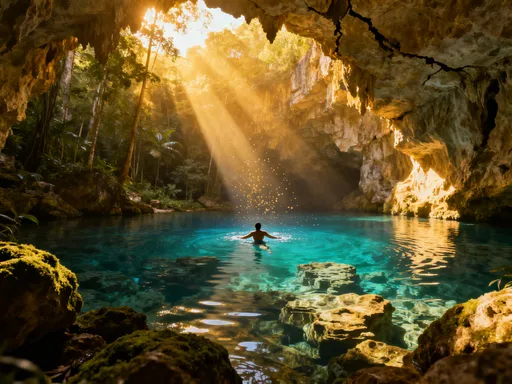
Cenotes are among the most mesmerizing natural features of the Yucatán Peninsula, and Cancun serves as a perfect gateway to some of the finest examples. Formed over thousands of years as rainwater slowly dissolved the region’s soft limestone, these sinkholes open up to reveal underground rivers and caverns filled with crystal-clear freshwater. For the ancient Maya, cenotes were more than just water sources—they were portals to the underworld, sacred sites used for rituals and offerings. Today, they remain spiritually significant while also becoming beloved destinations for swimmers, divers, and nature lovers. The experience of stepping into a cenote feels almost dreamlike: sunlight filters through openings in the rock, dancing on the surface of the water, while roots from jungle trees hang like natural chandeliers above.
One of the most accessible and visually stunning cenotes is Cenote Ik Kil, located just outside the archaeological site of Chichén Itzá. Though slightly farther from Cancun, it’s often included in full-day tours and well worth the journey. This open-air cenote plunges about 40 meters deep, surrounded by a circular wall draped in vines and foliage. Visitors can descend via a staircase and swim in the refreshing, mineral-rich waters below. The temperature remains cool year-round, offering a welcome escape from the tropical heat. Because of its popularity, it can get busy in midday hours, so arriving early in the morning ensures a more peaceful experience. Facilities such as changing rooms, restrooms, and life jackets are available, making it family-friendly and safe for all ages.
For those who prefer an enclosed cave environment, Dos Ojos Cenote offers an unforgettable snorkeling adventure. Located near Tulum, it’s part of a vast cave system that stretches for miles beneath the jungle floor. The name “Dos Ojos” means “two eyes,” referring to two adjacent sinkholes connected by an underwater tunnel. Equipped with a mask and snorkel, visitors can float along the surface and peer into the depths, where beams of light illuminate ancient stalactites and ghostly rock formations. The clarity of the water allows for excellent visibility, often revealing small fish and even blind cave shrimp adapted to life in darkness. Certified divers can explore deeper sections under professional guidance, but even casual swimmers will find the experience awe-inspiring.
When visiting cenotes, it’s essential to follow environmental guidelines to protect these fragile ecosystems. Many operators require biodegradable sunscreen or prohibit it altogether, as chemicals can harm aquatic life. Littering is strictly discouraged, and visitors are asked to avoid touching the rock formations, which are still actively growing in some areas. By respecting these rules, travelers help ensure that cenotes remain pristine for future generations. More than just swimming holes, cenotes are living testaments to the power of nature and the cultural history of the region—an experience that combines beauty, science, and reverence in one unforgettable dive.
Sian Ka’an Biosphere Reserve: A Wild Escape
Just south of Tulum lies Sian Ka’an, a UNESCO World Heritage site and one of Mexico’s most ecologically significant protected areas. Spanning over 1.3 million acres, this biosphere reserve encompasses a breathtaking mosaic of ecosystems: coastal dunes, mangrove forests, lagoons, coral reefs, and tropical forests teeming with wildlife. The name “Sian Ka’an” comes from the Mayan language and means “Gate of Heaven,” a fitting tribute to its ethereal beauty and spiritual resonance. Unlike commercial parks, Sian Ka’an remains largely undeveloped, preserving its role as a sanctuary for hundreds of plant and animal species, many of which are endangered or found nowhere else on Earth.
One of the most remarkable aspects of Sian Ka’an is its biodiversity. Over 300 species of birds have been recorded here, including roseate spoonbills, ospreys, and jabirus—tall, stork-like birds with striking red heads. Manatees glide silently through the calm waters, while howler monkeys echo through the treetops at dawn. The reserve also protects critical nesting grounds for sea turtles, including the loggerhead and green turtle, which return each year to lay their eggs on quiet beaches. Its offshore coral reefs form part of the Mesoamerican Barrier Reef, the second-largest in the world, supporting a vibrant underwater world of parrotfish, angelfish, and reef sharks.
Visiting Sian Ka’an requires planning, as access is controlled to minimize environmental impact. Only authorized eco-tours are permitted to enter, ensuring that groups remain small and guided by knowledgeable local experts. Most tours begin with a boat ride through the Boca Paila lagoon, where visitors can spot crocodiles sunning on the banks, herons stalking fish in shallow waters, and schools of tarpon leaping near the surface. Along the way, guides share insights about Mayan traditions, local conservation efforts, and the delicate balance that sustains this ecosystem. Some itineraries include a stop at a traditional fishing village, where guests may enjoy a simple, home-cooked meal made with fresh, local ingredients.
For those seeking a more immersive experience, multi-hour excursions often include a swim in a secluded lagoon or a short hike through the jungle. Snorkeling trips to the offshore reef allow visitors to witness the underwater splendor firsthand, floating above coral gardens alive with color and movement. Regardless of the route taken, every journey through Sian Ka’an emphasizes mindfulness and respect. There are no souvenir stands, no loudspeakers, no crowds—just the sounds of nature and the quiet awe of being in one of the last truly wild places in the Caribbean. It’s an ideal destination for travelers who value solitude, sustainability, and the chance to reconnect with the natural world.
Isla Contoy: A Secluded Paradise for Nature Lovers
Located about 30 kilometers north of Isla Mujeres, Isla Contoy is a slender ribbon of land that rises from the turquoise waters of the Caribbean like a whisper. This national park and protected bird sanctuary is one of Mexico’s most carefully preserved natural areas, with visitor numbers strictly limited to 200 per day. The goal is simple: to protect the island’s fragile ecosystems while allowing people to experience its beauty in a responsible way. Accessible only by authorized boats, Isla Contoy offers a rare opportunity to step onto a landscape untouched by mass tourism—a place where nature reigns supreme and human presence is gentle and fleeting.
The island serves as a crucial nesting site for over 150 species of migratory and resident birds, including frigatebirds, pelicans, and flamingos. During certain times of the year, visitors might witness the dramatic courtship displays of magnificent frigates, where males inflate their bright red throat pouches to attract mates. Along the shoreline, herons and egrets stalk the shallows, while ospreys circle overhead, scanning for fish. The surrounding waters are equally rich, home to sea turtles, dolphins, and a diverse array of reef fish. Because the island has no permanent residents or infrastructure, it provides a safe haven for wildlife, free from the disturbances of noise, light, and pollution.
A typical day trip to Isla Contoy begins early in the morning with a boat departure from Cancun or Isla Mujeres. The journey itself is part of the adventure, with chances to spot dolphins riding the bow wave or schools of flying fish skimming the surface. Upon arrival, visitors are greeted by park rangers who provide a brief orientation on conservation rules and trail etiquette. From there, the day unfolds at a leisurely pace. Guided nature walks take guests along wooden boardwalks that protect the dunes and vegetation, leading to observation towers with panoramic views of the island and surrounding sea. These walks offer excellent photo opportunities and a chance to learn about the island’s ecology from trained naturalists.
Snorkeling is another highlight, with stops at nearby coral reefs known for their clarity and marine diversity. The water is calm and warm, making it suitable even for beginners. Many tours include a buffet-style lunch served in a shaded picnic area, using fresh, locally sourced ingredients. Alcohol and single-use plastics are prohibited on the island, reinforcing its commitment to sustainability. By late afternoon, boats return to the mainland, leaving the island quiet once more. For travelers who cherish peace, privacy, and the thrill of discovery, Isla Contoy is nothing short of magical—a reminder that some of the best destinations are those that remain wild and protected.
Xcaret Park: Where Nature and Culture Meet
While many natural attractions in the Cancun region are remote or undeveloped, Xcaret Park offers a thoughtfully designed experience that blends conservation, culture, and recreation. Located just south of Playa del Carmen, this eco-archaeological park spans over 200 acres of jungle, coastline, and underground river systems. Unlike conventional theme parks, Xcaret was built with environmental sensitivity at its core, preserving existing vegetation and integrating structures into the natural landscape. It serves as both an entertainment destination and a living museum, where visitors can explore Mexico’s natural and cultural heritage through immersive exhibits and hands-on activities.
One of the park’s most beloved features is its network of underground rivers, where guests can float on inner tubes along gentle currents surrounded by darkness and the soft sound of dripping water. Equipped with a life jacket and helmet, visitors drift through illuminated caverns adorned with rock formations and shafts of natural light. This experience mimics the ancient Maya’s relationship with the underworld, known as Xibalba, and offers a safe yet adventurous way to explore a cenote system. Above ground, the park is home to a butterfly pavilion housing dozens of native species, including the striking blue morpho. Nearby, aviaries showcase colorful tropical birds, while sanctuaries care for native animals such as jaguars, tapirs, and spider monkeys, many of which have been rescued or rehabilitated.
Xcaret also celebrates Mexican culture through daily performances that include traditional dance, music, and storytelling. The evening show, “Xcaret México Espectacular,” is a powerful journey through Mexico’s history, from pre-Columbian civilizations to modern traditions. Lasting nearly two hours, it features over 300 performers in elaborate costumes, presenting regional dances, folk songs, and historical reenactments. While entertaining, the show also educates, fostering appreciation for the country’s rich cultural tapestry. Throughout the park, signage is available in multiple languages, and staff members are trained to answer questions about conservation efforts, animal care, and sustainable practices.
What sets Xcaret apart is its commitment to sustainability. The park operates its own wastewater treatment plant, recycles 90% of its waste, and supports reforestation initiatives in the region. It partners with local communities to source food and crafts, ensuring that tourism dollars benefit the surrounding area. For families, the park offers a balanced experience—children enjoy the aquarium and pirate boat ride, while adults appreciate the cultural depth and natural beauty. By merging education with enjoyment, Xcaret demonstrates how tourism can be both fun and responsible, offering a model for how popular destinations can protect the very resources that make them special.
Practical Tips for Exploring Cancun’s Natural Side
Exploring Cancun’s natural wonders is easier than many travelers assume, but a few smart choices can make the experience safer, more enjoyable, and more sustainable. The best time to visit most outdoor attractions is between December and April, when the weather is dry, temperatures are mild, and mosquito populations are lower. While summer months offer lower prices, they also bring higher humidity and the possibility of tropical storms, so planning ahead is essential. Mornings are ideal for nature excursions, as wildlife is most active and the heat is less intense. Booking tours in advance ensures availability, especially for high-demand sites like Sian Ka’an and Isla Contoy, where daily visitor caps apply.
Choosing eco-friendly tour operators is one of the most impactful decisions a traveler can make. Look for companies certified by Mexico’s Secretariat of Tourism (SECTUR) or those affiliated with conservation organizations. These operators follow strict environmental protocols, employ local guides, and contribute to preservation efforts. Many offer small-group tours that provide a more personal experience and reduce environmental impact. Transportation options vary: some tours include round-trip hotel transfers, while others meet at central points in Cancun or Playa del Carmen. Renting a car offers flexibility, but navigating rural roads requires caution, and parking may be limited at remote sites.
Combining multiple attractions into a single day can maximize time and value. For example, a trip to Tulum can include a visit to the archaeological site, a swim at Cenote Dos Ojos, and a stop at a beachside restaurant serving fresh seafood. Similarly, a journey to Sian Ka’an might be paired with a visit to the nearby Muyil ruins or a mangrove kayak tour. Packing essentials include reusable water bottles, wide-brimmed hats, eco-friendly sunscreen, insect repellent, and waterproof bags for electronics. Comfortable walking shoes are a must, especially for trails and boardwalks.
Most importantly, travelers should respect local rules and customs. In cenotes, avoid using regular sunscreen, as chemicals can damage aquatic life—opt for reef-safe formulas instead. Stay on marked trails to protect plant life and prevent erosion. Do not feed or approach wildlife, and always carry out all trash. By practicing responsible tourism, visitors help ensure that these natural wonders remain vibrant and accessible for years to come. These small actions, when multiplied across thousands of travelers, create a powerful force for conservation.
Why Protecting These Places Matters—And How Travelers Can Help
The natural wonders surrounding Cancun face increasing pressure from tourism, urban development, and climate change. Coastal erosion, water pollution, and habitat loss threaten the delicate balance that sustains cenotes, coral reefs, and wildlife sanctuaries. In recent years, red tide events and sargassum seaweed blooms have disrupted marine ecosystems and impacted local economies. While these challenges are complex, they are not insurmountable. Conservation efforts across the region—led by scientists, local communities, and park authorities—are making a difference, but they require ongoing support. Every traveler has a role to play in protecting these irreplaceable landscapes.
Responsible tourism is not about sacrifice—it’s about intention. Choosing sustainable tours, minimizing waste, and supporting local businesses are simple yet powerful ways to contribute. When visitors opt for eco-certified accommodations, they encourage the industry to adopt greener practices. When they participate in beach cleanups or donate to conservation groups, they directly support restoration efforts. Even small choices, like bringing a reusable straw or refusing single-use plastics, send a message that sustainability matters. Education is equally important: learning about the cultural and ecological significance of a place fosters deeper respect and connection.
Travelers can also amplify their impact by sharing their experiences. Posting photos of pristine cenotes or vibrant coral reefs on social media—with accurate information about conservation—can inspire others to visit responsibly. Recommending ethical tour operators to friends and family helps grow the market for sustainable tourism. By becoming advocates for nature, visitors help shift the narrative from consumption to stewardship. The beauty of Cancun’s hidden wonders lies not just in their appearance, but in their ability to awaken a sense of wonder and responsibility in those who see them.
In the end, preserving these natural treasures is about more than protecting scenery—it’s about honoring a legacy. The Maya revered this land as sacred, and today, we have the privilege and duty to protect it. Every swim in a cenote, every walk through the jungle, every quiet moment on a secluded beach is a reminder of how precious and fragile our natural world is. By choosing to explore with care, travelers become part of a larger story—one of renewal, respect, and hope. Cancun’s wild side is not just a destination. It’s a promise—to ourselves, to future generations, and to the Earth itself.