You Gotta See What Harare’s Culture Hides in Plain Sight
Harare, Zimbabwe, isn’t just a capital city—it’s a living rhythm of art, music, and everyday joy. Most travelers rush to Victoria Falls or safaris, but I found something deeper here: vibrant leisure spaces where culture breathes through dance, food, and community. From open-air markets pulsing with drumbeats to cozy galleries showcasing bold local voices, Harare’s soul lives in its people and their chosen places to unwind. This is more than tourism—it’s connection. In a world where travel often means ticking off landmarks, Harare invites a different kind of journey—one measured not in miles, but in moments shared over music, meals, and quiet walks beneath flowering trees. Here, culture isn’t staged for tourists; it unfolds naturally, in the laughter of market vendors, the stroke of a painter’s brush, and the clink of teacups in neighborhood gardens. To understand this city is to slow down, listen closely, and let its quiet pulse guide you.
The Pulse of Harare: Where Culture Meets Everyday Life
Harare moves at its own gentle tempo, shaped by tradition, resilience, and a deep appreciation for shared experience. Unlike cities driven solely by commerce or speed, Harare’s rhythm is rooted in community and cultural continuity. Tree-lined avenues, many planted decades ago, offer shade and serenity, framing neighborhoods where daily life unfolds with warmth and intention. Locals don’t just live here—they celebrate life in subtle, meaningful ways, whether gathering for weekend meals, attending impromptu music sessions, or simply sitting together under the afternoon sun. This isn’t a city that performs for outsiders; it thrives on internal connections, where culture is not preserved behind glass but worn like a well-loved garment.
What sets Harare apart is how seamlessly tradition and modernity coexist. Young professionals in business attire walk past elders selling handcrafted beads, while smartphone music streams blend with live drum rhythms drifting from nearby courtyards. Leisure here isn’t defined by luxury or extravagance but by authenticity—by spaces where people come together not to spend money, but to share time. These are the quiet heartbeats of the city: neighborhood corners where stories are exchanged, where children learn songs from grandparents, and where art and music aren’t elite pursuits but part of the everyday fabric.
The city’s reputation for hospitality is well-earned. Visitors often remark on the ease with which they’re welcomed into conversations, invited to sample local dishes, or encouraged to join a dance circle. This openness isn’t performative; it’s cultural. In Shona and Ndebele traditions, community is sacred, and strangers are often treated as guests with potential. This spirit infuses Harare’s leisure culture, making even brief encounters feel meaningful. It’s a city that doesn’t need to shout to be heard—its strength lies in its steady, welcoming presence.
First Stop: Mbare Musika Market – More Than Just Shopping
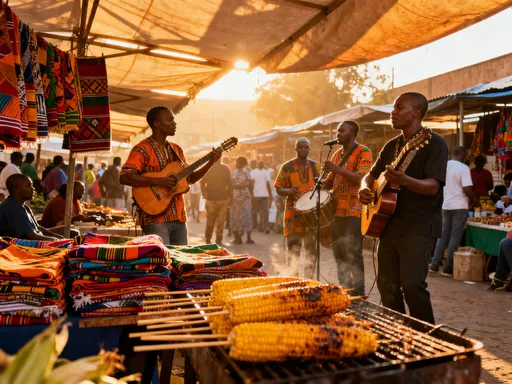
Mbare Musika Market is more than Zimbabwe’s largest open-air market—it’s a living archive of culture, economy, and daily joy. Long before the sun climbs high, the air fills with the scent of roasting maize, simmering stews, and freshly ground spices. Vendors arrange pyramids of colorful vegetables, bundles of dried fish, and stacks of handwoven baskets, each item carrying a story of origin, labor, and tradition. But what truly defines Mbare Musika is not what is sold, but how people gather here—not just to shop, but to connect, to linger, to live.
The market buzzes with energy, yet maintains a sense of rhythm and order. Children dart between stalls, elders sit on low stools sipping sugarcane juice, and friends meet at familiar corners to catch up over plates of grilled meat and sadza. Music often spills from small radios or live drummers who perform for tips, turning narrow aisles into impromptu dance floors. The sound of bartering—conducted in Shona, Ndebele, and English—adds to the symphony, a linguistic tapestry that reflects the city’s diversity. This is not a transactional space alone; it’s a social hub where relationships are nurtured as carefully as crops are grown.
Mbare Musika also plays a crucial role in preserving indigenous knowledge. Artisans sell pottery made using ancestral techniques, while herbalists offer natural remedies passed down through generations. The market remains a stronghold of barter culture, where goods are exchanged not only for cash but for other items of equal value—a practice that strengthens community interdependence. Women, in particular, hold central roles here, often managing multi-generational family stalls and mentoring younger relatives in trade and negotiation.
For visitors, the experience is immersive and humbling. There are no curated exhibits or guided tours—just real life in motion. To walk through Mbare Musika is to witness the resilience of everyday Zimbabweans, who sustain their families and traditions through hard work and mutual support. It’s a place where culture isn’t explained—it’s felt in the warmth of a shared smile, the weight of a hand-carved bowl, and the rhythm of life unfolding without pause.
Art in the Open: Gallery Walks and Street Creativity in the Central Business District
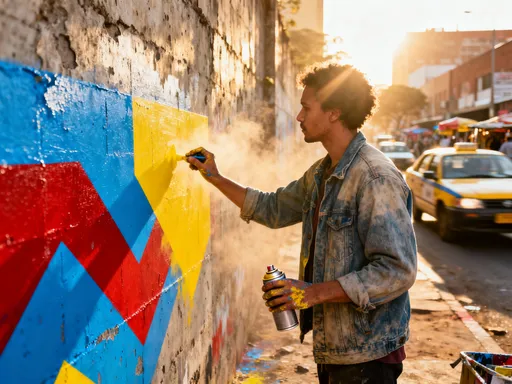
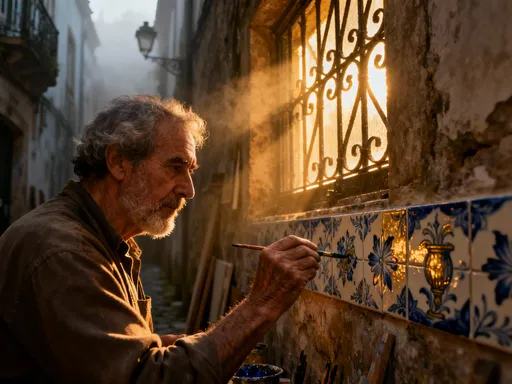
In Harare’s central business district, art isn’t confined to museums—it spills onto walls, fills sidewalk corners, and animates quiet alleyways. Murals in bold ochres, deep blues, and earthy reds depict scenes of harvest, family, and historical pride, transforming concrete facades into storytelling canvases. These works, often created by young artists from local art schools, reflect both personal expression and collective memory. They speak of identity, resistance, and hope, turning the city itself into an open-air gallery accessible to all.
Weekends bring a different kind of energy to the CBD, as residents take leisurely gallery walks through small, independent spaces nestled between shops and cafes. Places near Sam Levy’s Village and First Street host rotating exhibitions featuring painters, sculptors, and textile artists, many of whom use recycled materials to comment on sustainability and urban life. Admission is often free or by donation, ensuring that art remains a shared resource rather than a privilege. Visitors sip locally roasted coffee while discussing pieces with artists who are eager to explain their inspiration and technique.
These spaces serve as more than venues for display—they are forums for dialogue. In a country where access to formal education can be limited, art becomes a powerful medium for expression and critique. Themes of unity, environmental care, and cultural pride recur across works, offering a vision of Zimbabwe that is forward-looking yet deeply rooted. Some galleries host poetry readings or jazz sessions, blurring the lines between disciplines and inviting spontaneous collaboration.
Street art, too, plays a vital role. Unlike graffiti born of rebellion, Harare’s murals are often community-commissioned, celebrating local heroes, seasonal festivals, or national milestones. They are maintained with pride, repainted when weathered, and treated as part of the city’s visual heritage. For families, these artworks are points of education—parents pointing out symbols to children, explaining their meanings and origins. In this way, public art becomes a quiet teacher, reinforcing cultural values with every brushstroke.
Music That Moves the City: Live Performances at Local Spots
Music is the soul’s language in Harare, and its rhythms echo through neighborhoods, parks, and intimate performance spaces. In areas like Borrowdale, Highlands, and Mount Pleasant, pubs, garden restaurants, and cultural centers host regular live music nights featuring jazz, Afro-jazz, traditional Shona mbira melodies, and gospel harmonies. These aren’t grand concerts with ticketed seating, but gatherings where friends, families, and strangers sit close, clapping along, swaying, and sometimes joining in.
The atmosphere is warm and inclusive. Musicians often begin with a greeting in Shona or Ndebele, thanking the audience for their presence. Between songs, they share stories—of love, struggle, faith, and national pride—connecting lyrics to lived experience. Improvisation is common, with drummers responding to audience energy and vocalists altering melodies based on the mood of the night. This fluidity makes each performance unique, never replicated, and deeply personal.
Traditional instruments hold a revered place in Harare’s music scene. The mbira, a thumb piano with spiritual significance among the Shona, is often featured in evening sets, its metallic tones creating a hypnotic, meditative soundscape. Drum circles, especially during weekends or cultural festivals, draw crowds of all ages, with children learning beats from elders in real time. These moments are not just entertainment—they are acts of cultural transmission, ensuring that younger generations inherit the sounds and stories of their ancestors.
For many Zimbabweans, music is both refuge and resistance. During times of economic hardship, songs have carried messages of endurance and unity. Today, they continue to inspire, offering comfort and celebration in equal measure. In Harare’s music venues, joy is not escapism—it’s a declaration of resilience. To sit in one of these spaces, sipping a drink while a band plays a soulful rendition of a classic tune, is to feel part of something larger: a community that chooses to sing, even when life is difficult.
Green Escapes: Botanical Gardens and Family Leisure
Amid the city’s bustle, the Harare Botanical Garden offers a sanctuary of calm and connection. Spread across lush, rolling lawns and shaded pathways, this green haven is a favorite destination for families, couples, and elders seeking peace. On weekends, the gardens come alive with picnics spread on tartan blankets, children chasing butterflies near flowerbeds, and couples strolling hand in hand beneath towering jacaranda and flame trees. The air carries the scent of blooming roses and freshly cut grass, a natural perfume that soothes the senses.
What makes this space special is how deeply it’s woven into family life. Grandparents bring grandchildren to feed ducks by the pond, teaching them the names of birds and plants in Shona. Teenagers gather under trees to study or chat, while yoga groups meet at dawn for quiet practice. The garden is not a tourist attraction in the conventional sense—it’s a living part of Harare’s social fabric, where generations bond and nature is honored as a gift.
The design of the gardens reflects a respect for balance and beauty. Native plants are labeled with their scientific and local names, turning the space into an informal classroom. Walking paths are wide and accessible, encouraging slow movement and mindful observation. Benches are placed strategically beneath canopies, offering rest and reflection. Even the fountains and ponds are designed to invite interaction—children dip their fingers in the water, and birds bathe in the shallow edges.
In Zimbabwean culture, nature is not separate from daily life but an essential part of well-being. The Botanical Garden embodies this philosophy, offering a space where people can reconnect with the earth and with each other. It’s a place where leisure isn’t passive—it’s participatory, involving care, attention, and gratitude. To spend an afternoon here is to understand how Harare values stillness as much as energy, how silence can be as powerful as song.
Food as Culture: Local Eateries Where Flavor Tells a Story
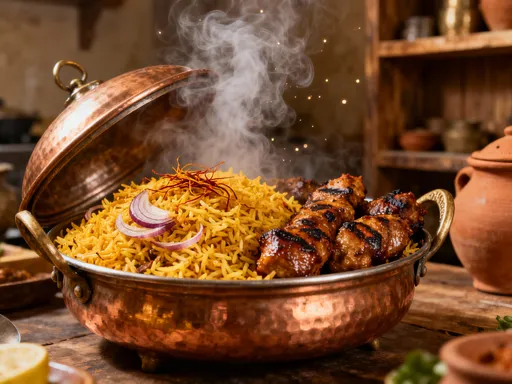
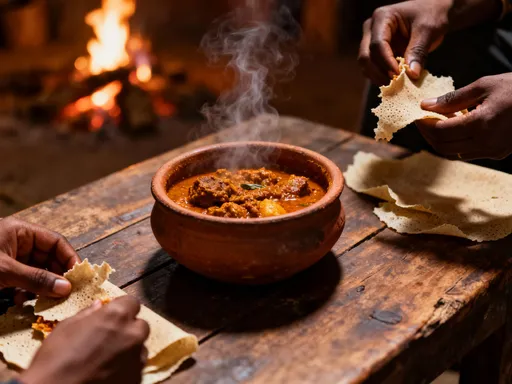
In Harare, meals are more than sustenance—they are ceremonies of care, identity, and belonging. Across neighborhoods, small kitchens and family-run eateries serve dishes that carry the weight of history and the warmth of home. Sadza, a thick maize porridge, is often the centerpiece, served with muriwo (collard greens), nyama (grilled meat), or stewed beans. These meals are not plated with gourmet precision but shared from communal bowls, reinforcing the idea that eating is a collective act.
The ambiance in these spaces is humble yet rich with meaning. Plastic chairs line outdoor patios, radios play old Zimbabwean hits, and the clatter of plates blends with laughter and debate. Some spots host live storytelling or poetry during dinner hours, turning meals into cultural events. Elders recount folktales, children recite school poems, and musicians strum guitars between servings. Food becomes the anchor, but the experience is layered with memory, performance, and community.
These eateries also reflect Harare’s agricultural roots. Ingredients are often sourced locally—vegetables from nearby farms, meat from regional butchers, herbs grown in backyard gardens. This farm-to-table practice isn’t a trend; it’s tradition. It ensures freshness and supports small producers, reinforcing economic resilience at the community level. Even in the city, there’s a deep awareness of where food comes from and the labor behind it.
For visitors, sharing a meal in one of these spaces is one of the most authentic ways to engage with Harare’s culture. There are no menus in English, no curated ‘cultural experiences’—just real people, real food, and real conversation. It’s an invitation to slow down, to eat with hands, to ask questions, and to listen. In these moments, culture isn’t observed—it’s lived, tasted, and remembered long after the plate is empty.
Why These Spaces Matter: Culture, Identity, and the Joy of Being Together
The true strength of Harare lies not in monuments or landmarks, but in the ordinary spaces where people choose to gather. Whether it’s a market stall, a mural-covered wall, a garden bench, or a backyard kitchen, these places are where culture is sustained—not as a relic of the past, but as a living, evolving force. They reflect values of resilience, creativity, and interdependence, offering a model of leisure that prioritizes connection over consumption.
Each of these spaces tells a story of identity. The Mbare Musika vendor preserving weaving techniques, the artist painting a mural of a freedom hero, the grandmother teaching her grandchild a traditional song—these acts are quiet assertions of who Zimbabweans are and what they value. In a world that often erases local culture in favor of global sameness, Harare’s leisure spaces resist homogenization. They are acts of cultural preservation, carried out not through policy, but through daily practice.
Moreover, these venues foster emotional well-being. In a society that has faced economic challenges and social change, the ability to gather, laugh, create, and share is a form of healing. Music soothes, art inspires, food nourishes, and nature restores. These are not luxuries—they are necessities, deeply embedded in the rhythm of life. They remind residents and visitors alike that joy is not dependent on wealth, but on presence, participation, and purpose.
For travelers, engaging with these spaces requires a shift in mindset. It means moving beyond checklists and photo ops to embrace slowness, curiosity, and humility. It means listening more than speaking, observing more than directing. It means understanding that the most profound travel experiences are not found in grand sights, but in shared silences, unexpected conversations, and the simple act of being together.
Conclusion: Discovering Harare, One Local Moment at a Time
Harare’s magic isn’t hidden—it’s in plain sight, waiting to be noticed. It’s in the way a market vendor smiles as she hands over a basket, the way children mimic dancers at a street performance, the way families sit together in silence beneath a jacaranda tree. This city doesn’t need to dazzle to impress; its power lies in its authenticity, in the quiet dignity of everyday life.
To visit Harare is to be invited into a different way of being—one that values time over speed, people over possessions, and connection over spectacle. It challenges the notion that travel must be about distance or luxury, offering instead a journey inward, into the heart of community and culture. The real sights are not monuments, but moments: a shared meal, a spontaneous song, a hand-carved bowl passed from one generation to the next.
So come with open eyes and an open heart. Walk the streets not as a tourist, but as a guest. Let the city’s rhythm guide you. Listen to its music, taste its food, admire its art, and rest in its gardens. Discover Harare not through a lens, but through presence. Because in this city, culture isn’t performed—it’s lived, breathed, and shared, one ordinary, extraordinary moment at a time.